
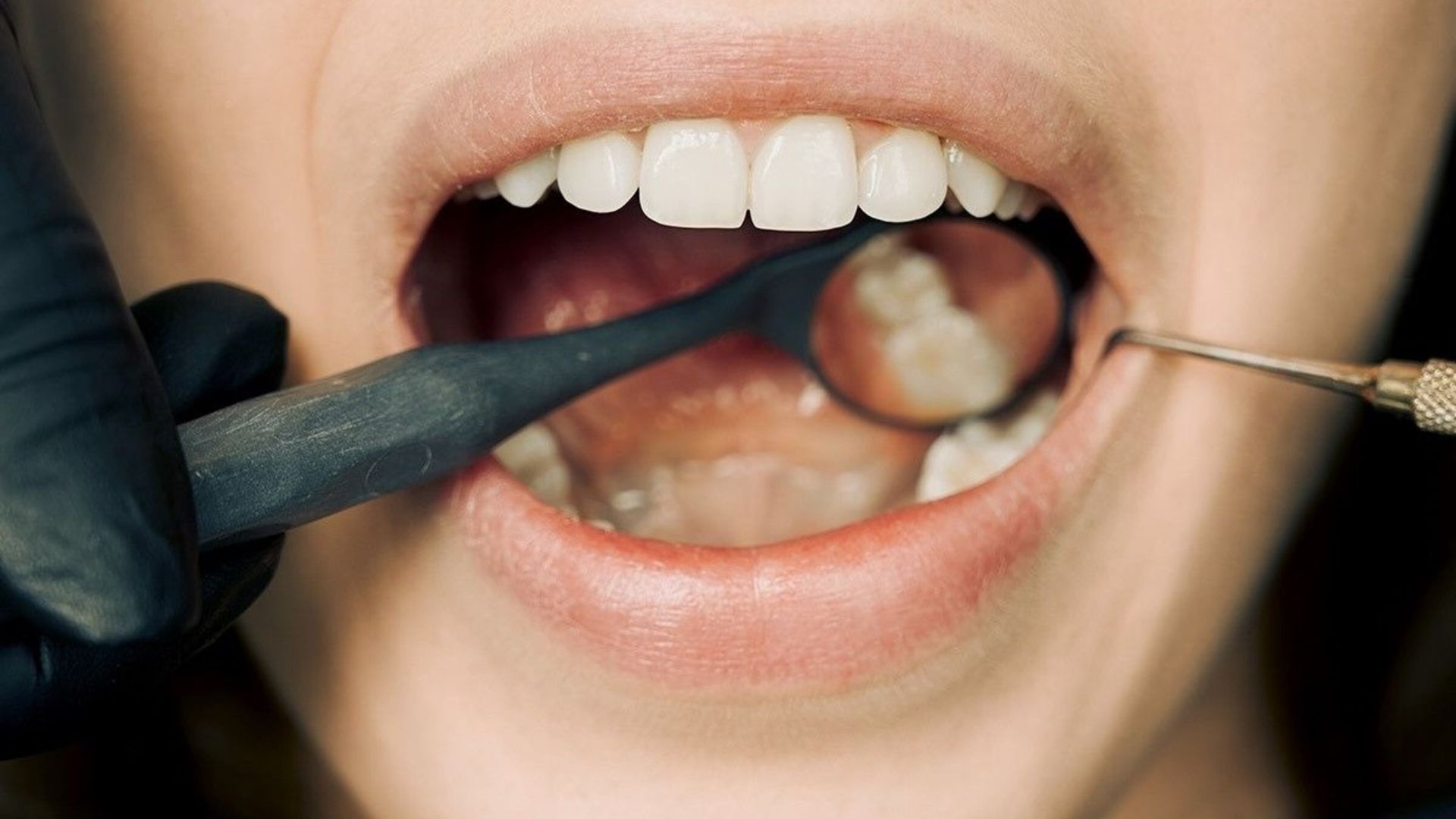

Wisdom teeth are the last set of molars that usually appear in late teens or early adulthood. For some people, these teeth grow normally and never cause problems. For others, they may become stuck under the gums, grow at odd angles, or crowd nearby teeth. When this happens, removal may be the best option to protect overall oral health.
If you are experiencing pain or swelling, visiting an experienced Dentist in Mira Road can help you understand whether extraction is necessary. Knowing when wisdom teeth should be removed and what recovery involves makes the process less stressful and easier to manage.
This guide explains the reasons for wisdom tooth removal, the procedure, possible risks, and aftercare tips for a smooth recovery.
Understanding Wisdom Teeth
Wisdom teeth are located at the very back of the mouth, two on the upper jaw and two on the lower. Because they erupt later in life, there is often not enough space for them to grow correctly. This lack of space can result in impaction, where the tooth is blocked by gum tissue or bone. Studies suggest that up to 70–75% of people experience impacted wisdom teeth.
Impacted teeth can cause pain, gum swelling, repeated infections, and damage to nearby teeth. Sometimes, they remain painless but may still create future dental problems. This is why regular checkups with a qualified dental professional are essential.
When Is Extraction Needed?
Not everyone requires their wisdom teeth to be removed. Dentists recommend extraction only when there are signs of complications or a substantial risk of future issues. Common reasons include persistent pain, gum infections, swelling, cavities in adjacent teeth, or cyst formation around the tooth.
Impacted wisdom teeth affect approximately 70–75% of people and often require surgical extraction to prevent complications.
Another reason for removal is preventive care. In younger patients, especially under 25, wisdom teeth roots are not fully developed, and the bone is softer, making extraction less complicated.
For others, close monitoring may be suggested instead of immediate surgery.
How the Extraction Procedure Works
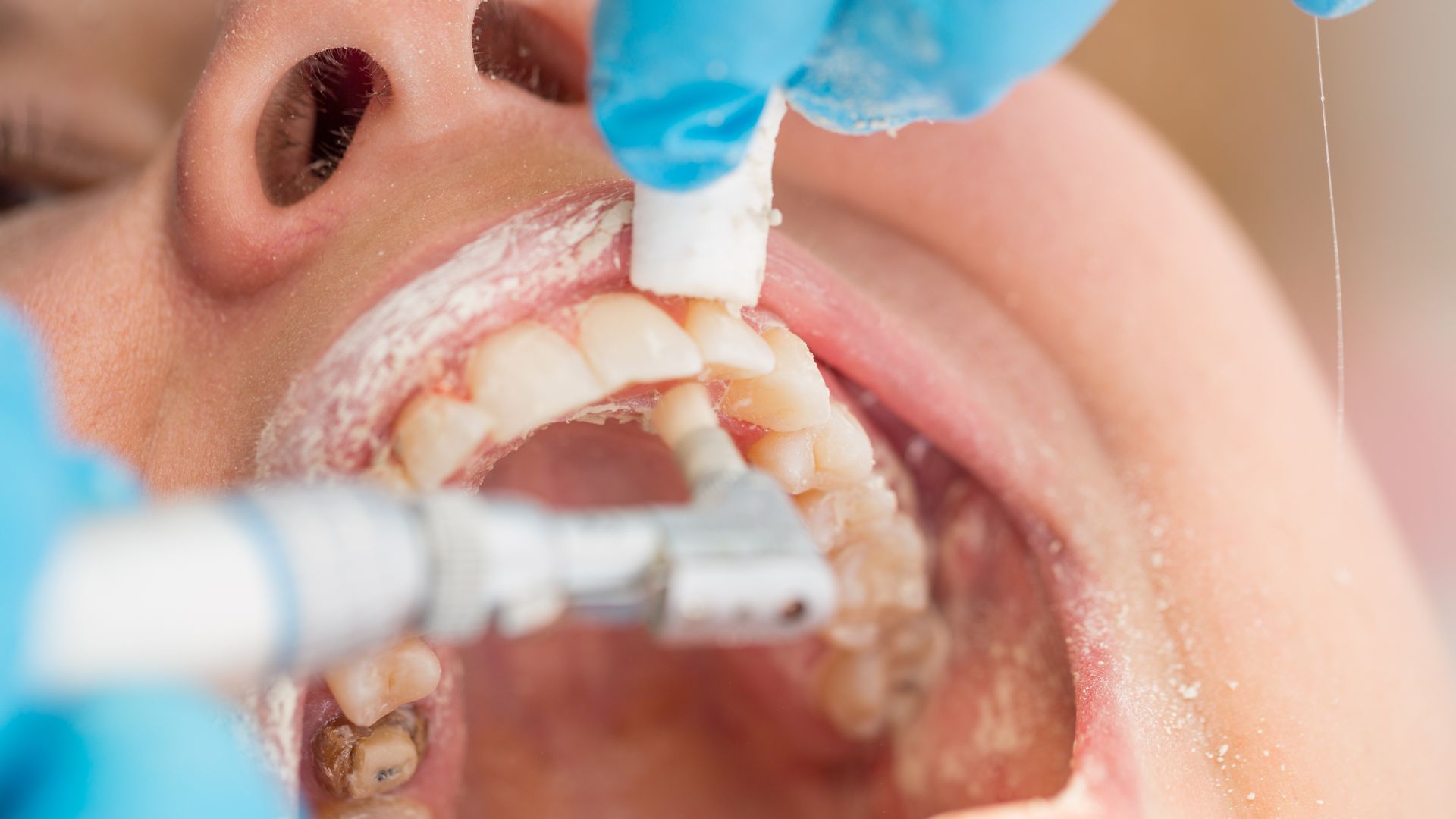
Wisdom tooth removal may be surgical or straightforward, depending on the tooth’s position. If the tooth has fully erupted, extraction is similar to removing any other tooth. For impacted teeth, surgical techniques are used, often involving a small incision in the gum.
The procedure is performed under local anesthesia. In more complex cases, sedation or general anesthesia may be required. Some dentists may also recommend a coronectomy, a procedure where only part of the tooth is removed to reduce the risk of nerve damage.
Patients are monitored throughout, and the process usually takes between 30 minutes and one hour.
Risks and Possible Complications
Like any dental procedure, wisdom tooth removal carries certain risks. Most are minor and temporary, but patients should be aware of this before undergoing treatment.
Dry socket occurs in about 0.5 — 5% of routine extractions, and up to 25–30% when impacted lower molars are removed.
The most common issues include pain, swelling, bruising, and mild bleeding. Dry socket, a condition where the blood clot fails to form correctly, is another possible complication. Nerve-related complications are rare but worth noting.
Temporary damage to the inferior alveolar nerve occurs in roughly 1 in 85 extractions, with permanent damage in about 1 in 300.
Other risks include infection, stiffness in the jaw, and, in sporadic cases, fracture of the jawbone. With proper surgical planning and aftercare, the likelihood of serious complications remains low.
Recovery: Day-by-Day Timeline
After the procedure, patients usually experience swelling and discomfort for a few days. Healing times vary, but most people start feeling better within a week. Full recovery can take several weeks, depending on the complexity of the surgery.

Recovery Timeline
Day 1
- What to Expect: Numbness, mild bleeding, soreness
- Recommended Actions: Use ice packs, rest, eat cold soft foods, take prescribed medication
Day 2–3
- What to Expect: Peak swelling and pain
- Recommended Actions: Continue pain relief medication, stick to a soft diet, avoid heavy activity
Day 4–7
- What to Expect: Reduced swelling; monitor for dry socket
- Recommended Actions: Begin gentle rinsing after 24 hours, maintain oral hygiene, and continue with soft foods
Week 2–4
- What to Expect: Return to regular diet and activities
- Recommended Actions: Keep the area clean, attend follow-up appointments if advised
Weeks 4–6
- What to Expect: Complete healing
- Recommended Actions: Resume full dental care, return to routine dental checkups
Swelling and discomfort peak around Day 3, with full healing possibly taking 4 to 6 weeks.
Aftercare and Follow-Up
Successful recovery depends on proper aftercare. Dentists usually prescribe a combination of anti-inflammatory medicine and pain relievers. It is advised to avoid smoking, alcohol, and the use of straws, as these can dislodge the healing clot.
Warm saltwater rinses after the first day help reduce infection risks. Maintaining oral hygiene is important, but patients should avoid brushing too close to the extraction site in the initial days.
If patients notice prolonged bleeding, severe pain, pus discharge, or numbness in the lip or tongue, they should immediately contact their dental professional. Regular follow-ups ensure healing is on track and prevent long-term issues.
Frequently Asked Questions
When is it truly necessary to remove wisdom teeth?
Extraction is needed when wisdom teeth cause pain, swelling, infection, cavities, or cysts. Dentists may also recommend removal if X-rays show potential future problems, even without current symptoms.
How long is the recovery from wisdom tooth extraction?
Pain and swelling usually peak around Day 3 and improve by the end of the first week. Most patients recover within 1–2 weeks, but complete healing of bone and soft tissues may take 4–6 weeks.
What are the signs of dry socket, and what should I do?
Symptoms include intense pain radiating to the ear, foul taste, and a visible empty socket. If these occur, patients should return to their dentist immediately for treatment and pain management.
Can extraction damage facial nerves?
Nerve damage is uncommon. Some patients may feel temporary tingling or numbness in the lips, chin, or tongue. Permanent injury is rare, and the risk depends on the tooth’s position near the nerve.
What should I eat and what should I avoid post-extraction?
Stick to soft, cold foods like yogurt, smoothies, or mashed potatoes. Avoid hot drinks, spicy foods, alcohol, and hard chewing until healing improves. After 24 hours, gentle warm rinses support recovery.
Is early removal of wisdom teeth better?
Yes, removal before age 25 is often more straightforward with fewer complications. As people age, the roots become stronger, and bone density increases, making surgery more complex and recovery slower.
Conclusion
Wisdom teeth can sometimes grow without issues, but in many cases, they become impacted and lead to pain or infections. Extraction, when advised by a qualified dentist, helps prevent long-term dental problems. Understanding the procedure, risks, and recovery ensures patients are better prepared.
For anyone experiencing discomfort or concerned about their third molars, consulting an experienced Dentist in Mira Road ensures accurate diagnosis and safe treatment options tailored to individual needs.
Sources & References
- Dental Council of India (DCI) – Regulations on ethical dental practice and professional standards: https://dciindia.gov.in
- Ministry of Health & Family Welfare, Government of India – National Oral Health Programme, preventive and restorative guidelines: https://main.mohfw.gov.in
- World Health Organization (WHO) – Oral health fact sheets and policy guidance on tooth loss and its health impact: https://www.who.int/health-topics/oral-health
- National Institutes of Health (NIH) – Research and clinical data on dental implants, bone loss, and oral rehabilitation: https://www.ncbi.nlm.nih.gov
- Indian Council of Medical Research (ICMR) – Oral health research initiatives and public health insights: https://www.icmr.nic.in