
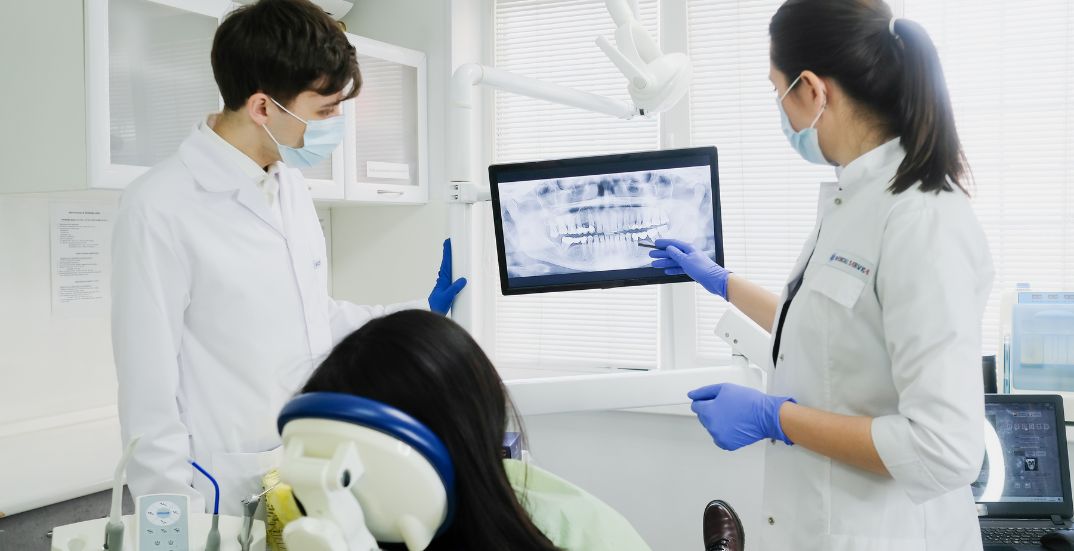

Still, many patients have questions about the safety of these X-rays. Do they expose you to harmful radiation? Are they necessary for everyone? This article will help you understand how dental X-rays work, their safety profile, types, and specific precautions taken, especially for children and pregnant women.
What Are Dental X-Rays and Why Are They Used?
Dental x-rays, or dental radiographs, are images taken to see what’s happening inside your teeth and jaw areas that aren’t visible during a regular exam. Dentists rely on these images to detect cavities, infections, bone loss, abscesses, and even early signs of oral disease.
These imaging tools play a significant role in diagnosis and treatment planning. For example, if a toothache has no visible cause, a dental x-ray might reveal decay under a filling or a cracked tooth. Dentists also use X-rays to monitor the development of wisdom teeth, jawbone growth, and the positioning of teeth in children and teens.
Are Dental X-Rays Safe? Understanding the Science
One of the biggest concerns people have is about the radiation from dental X-rays. X-rays indeed involve radiation, but the amount used in dental imaging is minimal, much lower than what you get from natural background radiation in daily life.
Modern dental x-ray techniques emit extremely low levels of radiation, often less than a day of natural background radiation exposure.– World Health Organization (WHO)
In fact, newer digital X-rays reduce radiation exposure by up to 90% compared to older film-based systems. With the use of proper shielding (such as lead aprons and thyroid collars) and adherence to international and Indian guidelines, dental X-rays are considered safe for both adults and children.
Dental x-rays are an essential diagnostic tool and, when performed properly, pose minimal risk to patients. – Indian Dental Association (IDA)
Types of Dental X-Rays and Their Uses
Different types of X-rays are used depending on what the dentist needs to evaluate. Each serves a specific purpose in diagnosis and treatment planning.
Bitewing X-Rays
These are taken during routine check-ups to detect cavities between teeth and assess bone levels. They’re helpful in identifying early signs of gum disease and are commonly done in adults and older children.
Periapical X-Rays
These images provide a complete view of one tooth, from the crown to the root, including the surrounding bone. They help detect root infections, abscesses, and other deep-seated issues, and are often used for planning root canal treatment.
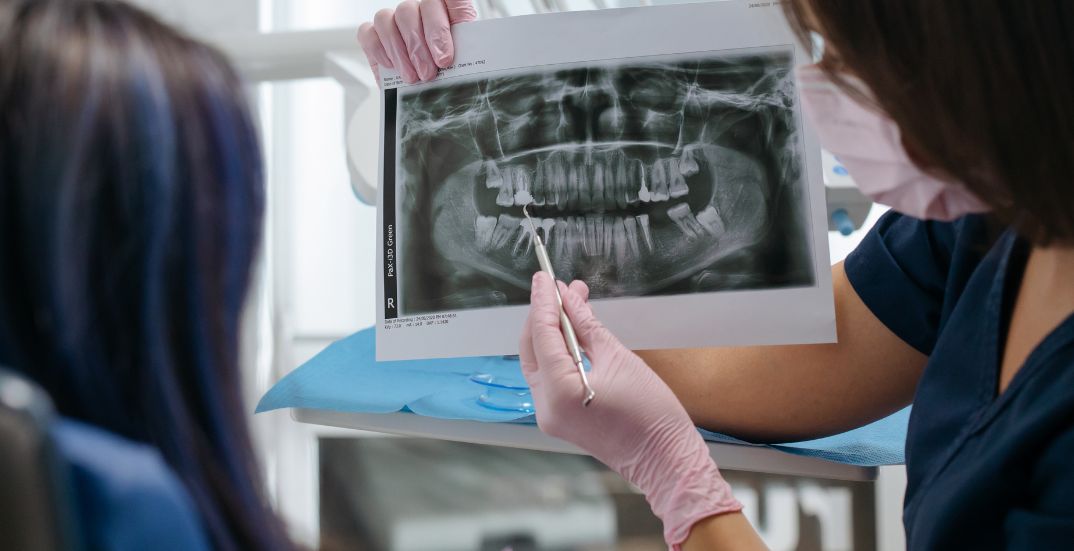
Panoramic X-Rays
These provide a wide view of the entire mouth, including jaws, teeth, and joints. They’re helpful for evaluating impacted teeth, jaw disorders, or preparing for orthodontic treatment, such as braces or surgery.
Occlusal X-Rays
Used primarily on children, these images track the development of permanent teeth and identify problems such as extra or unerupted teeth. They’re also helpful in detecting jaw abnormalities.
Cone Beam CT (CBCT)
This 3D imaging technique is used in complex cases such as dental implant planning, jawbone assessment, or surgical preparation. Radiation exposure is higher than that of standard X-rays, but it is controlled and medically justified.
Each of these X-ray types is chosen based on your individual needs. A qualified dentist in Mira Road will evaluate your symptoms and health history before recommending the most appropriate imaging.
Dental X-Ray Safety Measures and Guidelines
To protect patients, dental professionals follow national and international safety protocols, including:
- Use of lead aprons and thyroid collars
- A preference for digital x-ray systems with lower radiation
- Limiting x-rays to clinically necessary situations
- Adhering to the ALARA principle – As Low As Reasonably Achievable
Children receive lower radiation doses and are always protected with lead aprons during imaging. – DCI Safety Guidelines 2023
Dental X-rays are never done casually. Dentists assess the need, especially in vulnerable groups like children and pregnant women, and opt for alternatives where appropriate.
How Often Should You Get Dental X-Rays?
The frequency of dental X-rays depends on your oral health, age, dental history, and symptoms. While some people might need them every six months, others might only need them every two or three years. People with frequent cavities or gum disease may need more regular imaging, whereas those with low risk may go longer without them.
Are Dental X-Rays Safe for Children and Pregnant Women?
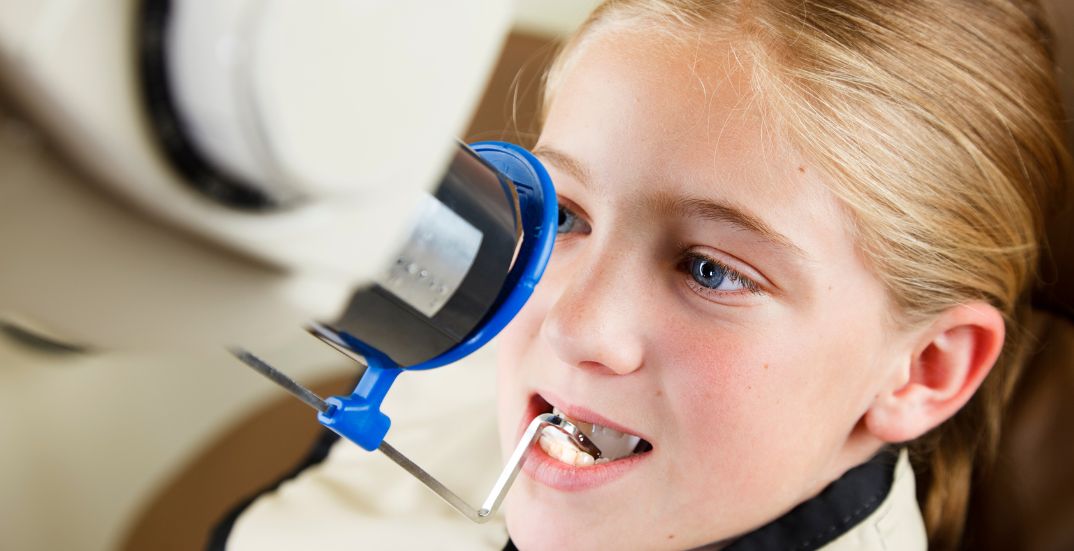
Dental X-rays are widely used in all age groups, but special care is taken when imaging children or pregnant women due to their increased sensitivity to radiation.
Children
Dental X-rays are commonly used in children to track tooth development and spot early dental issues. Because a child’s teeth and jaw are still forming, dentists may recommend X-rays to check for decay, misalignment, or missing teeth. Modern pediatric imaging uses smaller equipment and lower radiation levels to ensure safety.
Pregnant Women
Dental X-rays are usually postponed during pregnancy unless necessary. In urgent cases, X-rays may still be performed using digital systems and protective shielding to limit exposure. Dentists typically avoid them during the first trimester unless there’s a pressing medical reason.
Frequently Asked Questions
Are dental X-rays really safe?
Yes, dental X-rays are considered safe. The radiation exposure is minimal and well within global safety standards. Dentists follow strict safety protocols to protect patients during imaging.
How often should I get a dental X-ray?
It depends on your oral health. For most people, X-rays are recommended every 6 to 24 months. Your dentist will assess your needs individually.
What’s the difference between digital and traditional dental X-rays?
Digital X-rays use electronic sensors and emit up to 90% less radiation than film-based X-rays. They also offer more explicit images instantly.
Can frequent dental X-rays cause cancer?
There is no evidence linking the use of occasional dental X-rays to an increased risk of cancer. Radiation levels are extremely low and comparable to natural background exposure.
Conclusion
Dental X-rays are a crucial component of preventive dental care, playing a significant role in detecting problems early. Thanks to modern equipment and strict safety standards, they are considered safe for both adults and children.
Whether you’re getting a routine check-up or exploring treatment options, understanding the role and safety of dental X-rays can help you feel more informed and at ease. If you’re looking for more clarity on dental procedures or when to get an X-ray, a professional dentist in Mira Road can provide the proper guidance tailored to your needs.
Sources: