
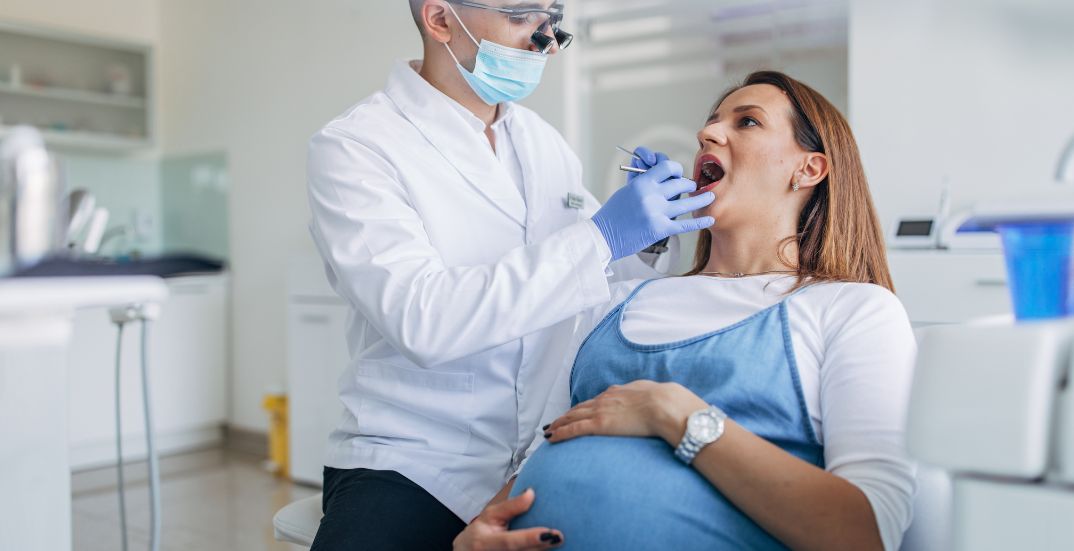

Pregnancy brings exciting changes, but it also affects many parts of your body, including your mouth. If you’re pregnant or planning to become pregnant, understanding how pregnancy affects your dental health will help you maintain good oral health and prevent common oral issues.
Whether you’re early in your journey or the later stages, this guide will help you understand the connection between pregnancy and dental health, identify potential problems to watch for, and learn how to care for your teeth and gums during this critical time.
If you’re looking for reliable information or planning a check-up, a dentist in Mira Road can help guide you safely through the process.
Why Oral Health Matters During Pregnancy
Your body goes through significant hormonal changes during pregnancy. These shifts can lead to increased inflammation in your gums, changes in your saliva, and a higher risk of plaque buildup. Together, these changes make your mouth more susceptible to conditions such as pregnancy, gingivitis, and tooth decay.
Maintaining the health of your teeth and gums isn’t just about comfort; it’s also crucial for your overall well-being. Some studies have linked poor oral health in pregnancy with preterm births and low birth weight, though more research is needed. Still, maintaining regular dental care during pregnancy is considered a wise and safe part of prenatal care.
According to the Indian Dental Association (IDA), hormonal changes during pregnancy can increase the risk of periodontal disease and should be closely monitored.
Pregnant women with untreated gum disease may be at a slightly higher risk for adverse pregnancy outcomes, including low birth weight.— Source: Journal of Clinical Periodontology.
Common Dental Issues During Pregnancy
Many women notice their dental health feels different during pregnancy. Here are some of the most common concerns:
Pregnancy Gingivitis
Increased estrogen and progesterone levels can cause your gums to become inflamed, red, or bleed while brushing. This condition is known as pregnancy gingivitis, and it usually appears between the second and eighth month of pregnancy.
Tooth Decay and Cavities
Changes in diet, frequent snacking, and morning sickness can raise the acidity in your mouth. This environment can lead to cavities during pregnancy, especially if brushing habits become inconsistent due to nausea.
Enamel Erosion
Morning sickness exposes your teeth to stomach acid, which can wear away enamel. Over time, this enamel erosion may lead to sensitivity and an increased risk of tooth decay.
Gum Disease
If gingivitis isn’t treated, it can progress to periodontitis, a more severe form of gum disease. This can cause your gums to recede and even lead to tooth mobility.
Toothache and Sensitivity
Some women experience sudden toothaches during pregnancy, either due to hormonal shifts, infection, or increased sensitivity. If pain persists, it’s essential to consult a dentist.
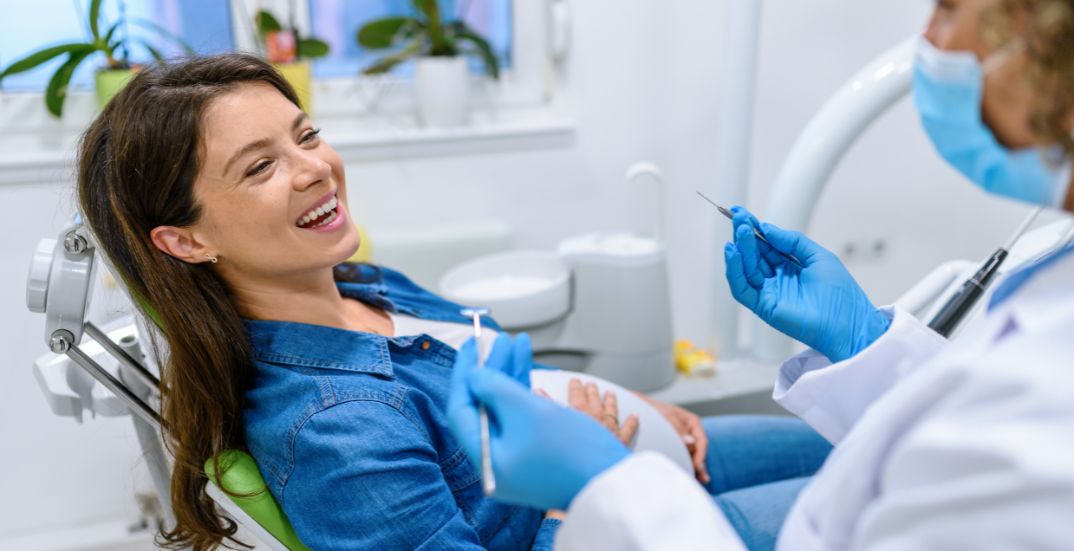
Is It Safe to Visit the Dentist While Pregnant?
Yes. It’s not only safe but encouraged to continue seeing your dentist throughout pregnancy. However, some procedures are better timed than others, depending on your trimester.
The American Dental Association confirms that dental X-rays are safe during pregnancy when proper shielding is used.
Trimester Guidelines for Dental Treatment
Here’s a general guide to what’s typically considered safe during each trimester:
| Trimester | Safe Procedures | Caution/To Avoid |
| First | Oral exam, urgent treatment | Avoid elective procedures |
| Second | Cleanings, fillings, crowns | Continue regular care |
| Third | Emergency treatment only | Avoid long dental appointments |
Basic therapies, such as exams, professional cleanings, and fillings, are typically safe. If X-rays are necessary, your dentist will use proper shielding to protect you and your baby.
Always tell your dentist that you’re pregnant, and it’s wise to consult your obstetrician before undergoing any non-emergency dental procedure.
Preventive Dental Care Tips for Expectant Mothers
Staying ahead of dental problems during pregnancy starts with a good daily routine and awareness.
Use a soft-bristled toothbrush and fluoride toothpaste to brush twice a day. If morning sickness is a problem, rinse with water or a baking soda solution after vomiting to neutralize acid before brushing your teeth.
Floss daily to remove food particles and reduce plaque. Drinking water after meals helps naturally rinse your mouth.
Eating calcium-rich foods, such as dairy products, leafy greens, and almonds, supports both oral and fetal development. Avoid sugary snacks and acidic beverages that can lead to cavities during pregnancy.
Schedule a prenatal dental check-up early in your pregnancy. A dentist in Mira Road can help create a personalized care plan tailored to your specific needs during each trimester.
Myths and Misconceptions About Pregnancy and Dental Care
One common myth is that “you lose a tooth for every child.” This isn’t true. With proper care, your teeth should remain healthy throughout pregnancy and beyond.
Another myth is that you should avoid all dental treatment while pregnant. In reality, avoiding care could lead to more serious problems. Emergency treatments and routine exams are not only safe but recommended.
Pregnancy does not automatically damage your teeth, but it does require extra attention to your oral hygiene habits.
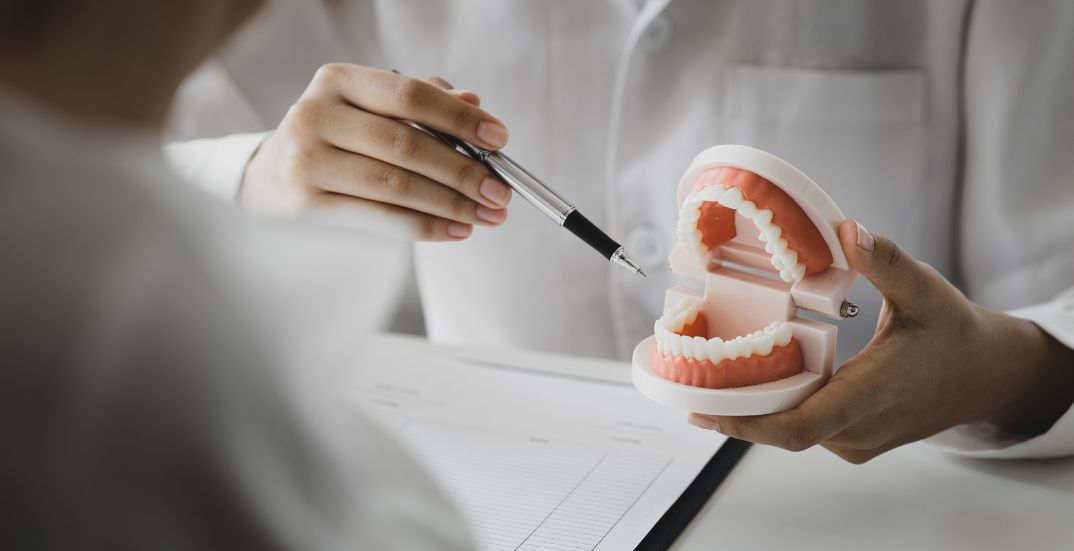
When to Seek Immediate Dental Help
Don’t ignore dental problems during pregnancy. If you notice swelling, pus, severe tooth pain, or bleeding that doesn’t stop, you should consult a dentist promptly.
Untreated dental infections can lead to complications that may affect your overall health. Seeking treatment early can help prevent the need for more invasive procedures later.
Frequently Asked Questions
Why do my gums bleed more during pregnancy?
Hormonal changes increase blood flow to the gum tissues, making them more sensitive and prone to inflammation, commonly referred to as pregnancy gingivitis.
Can morning sickness harm my teeth?
Yes, repeated vomiting can expose your teeth to stomach acid, which can weaken the enamel. Rinse your mouth with water or a baking soda solution to neutralize acid after vomiting.
Can I have dental X-rays while pregnant?
Yes, with proper shielding and only when necessary. Most dentists will postpone non-urgent X-rays until after pregnancy if possible.
What should I eat for better dental health during pregnancy?
Calcium-rich foods, leafy greens, fresh fruits, and adequate water intake support both dental and fetal health. Avoid frequent sugary snacks to reduce the risk of cavities.
When should I visit the dentist if I’m pregnant?
Ideally, during the second trimester, or earlier if you’re experiencing dental pain or swelling.
Conclusion
Pregnancy is a time of change, and your mouth is no exception. From pregnancy gingivitis to enamel erosion caused by morning sickness, understanding how pregnancy affects your dental health can help you take the proper steps to stay protected.
By brushing regularly, eating a balanced diet, and attending your dental visits as scheduled, you can prevent many common dental issues. If you’re pregnant and unsure about what to do next, consider scheduling a consultation with a dentist in Mira Road who understands the unique needs of expecting mothers.
Sources & References
- Indian Dental Association – www.ida.org.in
- American Dental Association – www.ada.org
- Journal of Clinical Periodontology – www.periojournal.com
- NHS – Oral health and pregnancy
- WHO Guidelines on Pregnancy and Oral Health