


If you’ve ever felt a sharp twinge when sipping hot tea or biting into something cold, you may be dealing with sensitive teeth. This common dental issue affects many people and can turn simple daily habits, such as eating or brushing, into uncomfortable experiences. In this post, we’ll examine the causes of sensitive teeth, discuss strategies for managing discomfort, and outline available treatment options.
Whether you’re looking for ways to reduce sensitivity at home or considering a visit to a dentist in Mira Road, this guide provides clear and helpful explanations.
What Are Sensitive Teeth?
Sensitive teeth, also known as dentin hypersensitivity, involve sharp, sudden discomfort in response to specific triggers, usually hot, cold, sweet, or acidic foods and drinks. This sensation occurs when the protective enamel wears down, exposing the underlying dentin or tooth roots.
Some people experience brief episodes of pain, while others may experience lingering discomfort. Sensitivity may affect a single tooth or several teeth and can be either temporary or chronic.
Common Causes of Sensitive Teeth
There’s no single cause of sensitivity. It’s usually the result of damage to the enamel or exposure of the roots. Understanding the reason behind your discomfort is key to managing it effectively.
Worn enamel is one of the most common causes. It can occur from brushing too hard, using a hard-bristled toothbrush, or frequently consuming acidic foods and drinks. Gum recession also plays a significant role, especially as it exposes the softer root area of the tooth.
Tooth decay, cracked or chipped teeth, and cavities can lead to sensitivity by exposing nerves or dentin layers. Grinding your teeth at night (bruxism) and overuse of whitening products are other contributing factors.
Gum recession is one of the most overlooked causes of sensitivity, often caused by incorrect brushing habits or periodontal disease. – Indian Dental Association.
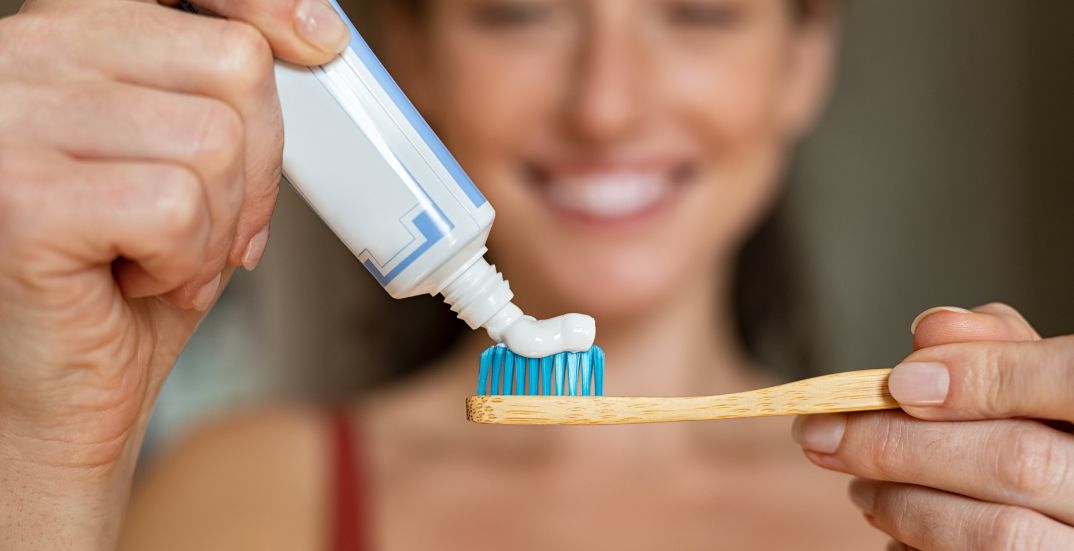
Home Remedies That May Help Manage Sensitivity
For many people, home care can go a long way in reducing discomfort from sensitive teeth. One of the simplest changes is switching to a toothpaste specifically designed for sensitive teeth. These contain ingredients like potassium nitrate or stannous fluoride that block pain signals to the nerve.
Use a soft-bristled toothbrush and avoid brushing too hard. Gentle brushing with a fluoride toothpaste helps strengthen enamel over time. You can also rinse with a fluoride mouthwash or a saltwater solution to reduce inflammation.
Avoiding very hot or cold food, acidic items like soda or citrus, and sugary snacks can also prevent triggers. While oil pulling is sometimes mentioned as a home remedy, evidence of its effectiveness is limited; therefore, it should not be used as a substitute for professional dental treatment.
While these methods may offer relief, they do not replace professional evaluation. A qualified dentist should check persistent symptoms in Mira Road or your local area.
Professional Treatments for Sensitive Teeth
If home care is insufficient, several professional treatments are available, depending on the cause. Your dentist may apply fluoride varnish or prescribe a high-fluoride gel to strengthen enamel. If a tooth has exposed root surfaces or visible damage, bonding agents or sealants may be used to cover the sensitive area.
In more serious cases, a crown, inlay, or filling may be required. For gum recession, a gum graft may be recommended. If the pain is severe and related to nerve damage, a root canal could be necessary.
Fluoride-based treatments have been shown to significantly reduce tooth sensitivity by strengthening enamel and reducing pain transmission.– World Health Organization (Oral Health Reports)
Preventing Tooth Sensitivity
Prevention is often the most effective strategy for addressing tooth sensitivity. Start by using a soft toothbrush and brushing gently. Use a fluoride toothpaste daily and avoid overbrushing or brushing right after eating acidic foods.
Reduce consumption of highly acidic or sugary foods and drinks. If you grind your teeth, wearing a night guard can help protect your enamel. Avoid overusing whitening products, especially those with high concentrations of peroxide. Routine dental check-ups are also important. Regular cleanings and exams help catch issues like enamel wear or gum problems before they worsen.
When to See a Dentist in Mira Road
Mild sensitivity can sometimes be managed at home, but if symptoms continue for more than a few days, worsen, or affect just one tooth, it’s time to consult a dentist. Other warning signs include pain when chewing, visible tooth damage, or swollen gums.
Don’t ignore persistent sensitivity. Getting early advice from a dentist in Mira Road can help identify the exact cause and prevent the condition from progressing.
Tooth sensitivity affects more than 40% of adults at some point in their lives. – Journal of Conservative Dentistry, India.
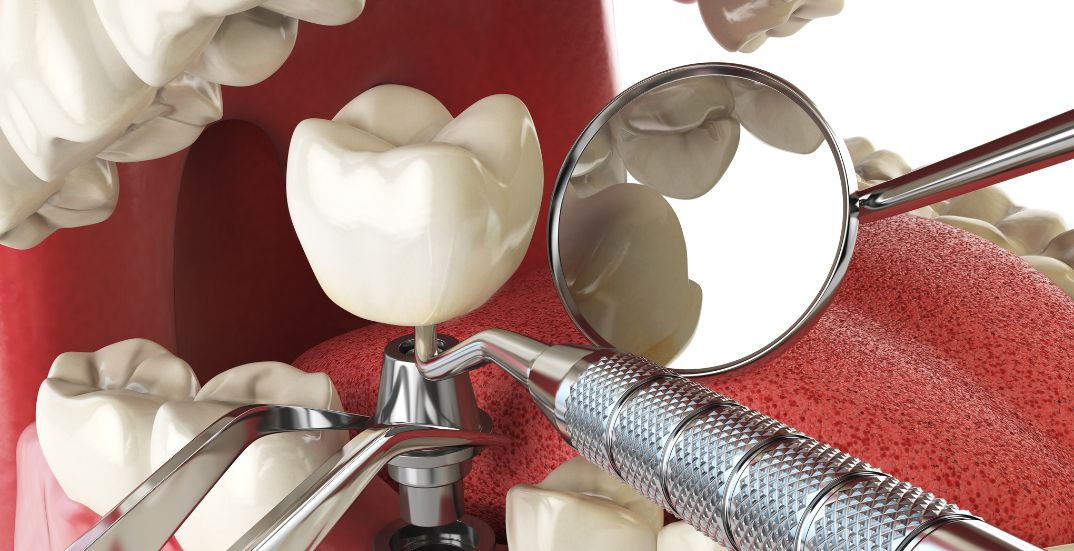
Comparison of Common Causes and Remedies
| Cause of Sensitivity | Description | Common Remedy |
| Worn Enamel | Enamel thinning due to brushing or acids | Desensitizing toothpaste, fluoride gel |
| Gum Recession | Gums pull back, exposing root surfaces | Gum care, soft brush, dental cleaning |
| Tooth Decay | Cavities exposing inner layers | Fillings, crowns |
| Cracked Tooth | Pain when chewing or with temperature | Crown or root canal |
| Whitening Products Overuse | Chemical irritation | Discontinue use, dentist recommendation |
| Tooth Grinding (Bruxism) | Enamel damage from grinding | Nightguard, stress management |
Frequently Asked Questions (FAQs)
Why do my teeth suddenly feel sensitive?
Sudden sensitivity could be caused by enamel erosion, a cavity, or even recent dental work. If it doesn’t improve in a few days, it’s best to get it checked by a dentist.
Can sensitive teeth be permanently cured?
It depends on the cause. While some cases can be managed with home care and professional treatments, others may require ongoing maintenance and care.
Is there a natural way to reduce tooth sensitivity?
Saltwater rinses, switching to desensitizing toothpaste, and avoiding acidic foods can help, but natural remedies may not work for everyone.
What foods should I avoid if I have sensitive teeth?
Avoid citrus fruits, tomatoes, soda, and vinegar. Also, limit very hot or icy items that can trigger pain.
How long does it take for toothpaste for sensitive teeth to work?
It may take several days to a few weeks to notice an improvement, depending on the severity of the sensitivity.
Should I worry if only one tooth is sensitive?
Yes. Localized sensitivity may indicate a cracked tooth, cavity, or nerve issue. A dental professional should examine it.
Conclusion
Managing sensitive teeth starts with understanding the root cause. Whether it’s worn enamel, gum issues, or another factor, early action can prevent further discomfort. Home care may provide some relief, but long-lasting relief often requires professional treatment.
If you’re experiencing ongoing discomfort, it’s advisable to consult a dentist in Mira Road to discuss tailored solutions that address your specific oral health needs.
Sources & References
- Indian Dental Association: https://www.ida.org.in
- Journal of Conservative Dentistry: https://www.jcd.org.in
- World Health Organization – Oral Health Reports:https://www.who.int/health-topics/oral-health
- American Dental Association: https://www.ada.org
- Mayo Clinic – Sensitive Teeth Overview: https://www.mayoclinic.org