
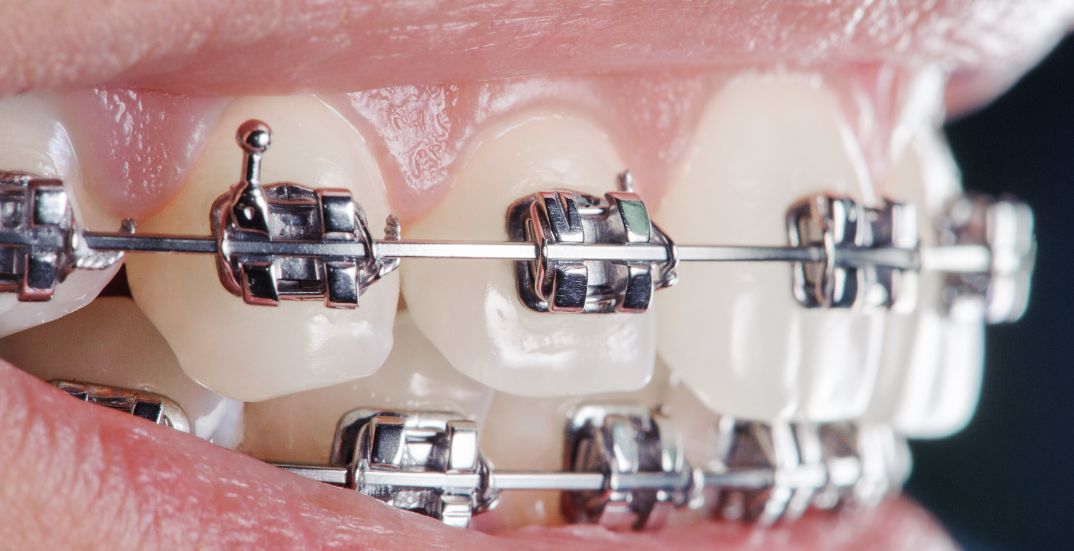

Orthodontic care isn’t just for teenagers. In fact, many common dental issues begin to form much earlier in life, sometimes as early as age six or seven. That’s why early orthodontic evaluation plays such a vital role in a child’s dental development.
If you’re a parent wondering when to schedule your child’s first orthodontic checkup, this guide covers everything you need to know. Whether it’s crooked teeth, jaw alignment issues, or crowding, early detection enables easier and more effective care in the long run. And if you’re based locally, speaking with a dentist in Mira Road can help you understand what’s best for your child.
Why Early Orthodontic Checkups Matter
Early orthodontic evaluations fall under what’s known as interceptive orthodontics. This involves identifying and addressing dental issues before they become more severe or more difficult to treat.
Children’s jaws are still growing, which means a dentist or orthodontist can guide that growth in a healthier direction. By spotting problems early, such as a crossbite, overbite, or overcrowding, treatment can begin at a stage when the bones are more flexible and responsive.
According to the Indian Orthodontic Society, An orthodontic evaluation by the age of 7 helps identify growth issues early and gives the best opportunity for effective treatment.
An early orthodontic checkup also gives parents peace of mind. Even if no treatment is needed right away, a professional can create a plan to monitor changes over time.
Ideal Age for a Child’s First Orthodontic Visit
The Indian Orthodontic Society and the American Association of Orthodontists both recommend that children see an orthodontist by age 7. This is when adult molars typically begin to erupt, allowing for a better assessment of how the bite is developing.
At this age, dentists can detect subtle issues with jaw growth or tooth spacing that may not be obvious to parents. Even if everything appears fine on the surface, a trained professional may notice alignment patterns that suggest potential future concerns.
A study by the American Association of Orthodontists found that children evaluated before the age of 8 had 30% lower rates of severe malocclusion at age 14.
Some children may need even earlier evaluation if they:
- Lost baby teeth too early or too late
- Have difficulty chewing or biting
- Breathe through the mouth instead of the nose.
- Suck their thumb beyond age five.
- Speak with a lisp or slur due to jaw issues.
Common Issues Detected During Early Evaluation
The goal of an early orthodontic evaluation is to identify developing conditions that may impact a child’s ability to speak, chew, or smile confidently. Some of the most common concerns identified during this stage include:
- Crowding and spacing problems – Too little or too much space between teeth can lead to poor alignment later.
- Crossbite, overbite, and underbite – These bite issues affect how the upper and lower jaws fit together and can impact facial symmetry.
- Jaw growth abnormalities – Early assessment can spot misaligned jaws or uneven growth.
- Protruding teeth – Teeth that stick out are more prone to injury.
- Harmful oral habits, such as thumb sucking, prolonged pacifier use, and tongue thrusting, can lead to dental development problems.
Interceptive orthodontics can guide jaw development, prevent worsening of bite issues, and may reduce the need for surgery later.— Journal of Clinical Pediatric Dentistry.

Benefits of Early Orthodontic Intervention
Early intervention doesn’t always mean braces right away. It often involves monitoring, guidance, or minor procedures to prevent the need for more serious treatment in the future.
Key benefits include:
-
- Better control over jaw growth and development
- Reduced need for tooth extraction later on
- Shorter and less invasive future treatmens
- Improved function in speaking and chewing
- Boosted confidence and oral health in growing children
Research published in the European Journal of Orthodontics indicates that early orthodontic care can significantly reduce the duration and cost of later treatment.
If your child’s teeth are already showing signs of crowding or bite problems, early action can make a big difference.
What Happens During an Orthodontic Assessment for Children
A child’s first orthodontic consultation is usually non-invasive and straightforward. Here’s what typically happens:
- Visual Examination – The dentist or orthodontist checks the alignment of the teeth and bite.
- X-rays and imaging – These help assess the position of teeth beneath the gum line and monitor jawbone development.
- Bite analysis – How the top and bottom teeth come together is evaluated for any signs of misalignment.
- Treatment timeline discussion – Parents are advised if any action is needed now or if the child should be reviewed in 6–12 months.
Sometimes, even if no treatment is needed, having a baseline evaluation allows the dentist to detect changes early at future visits.
Misconceptions About Pediatric Orthodontics
Many parents assume that braces should only be considered during the teenage years. This is a common myth. In reality, many orthodontic issues start long before adolescence.
Waiting too long can result in more complex, expensive procedures later on. Another misconception is that early orthodontic evaluations always lead to treatment. In reality, many early assessments involve observation and guidance rather than the use of immediate braces or appliances.
Many alignment and bite problems can be addressed without full braces if caught early. — Indian Orthodontic Society.
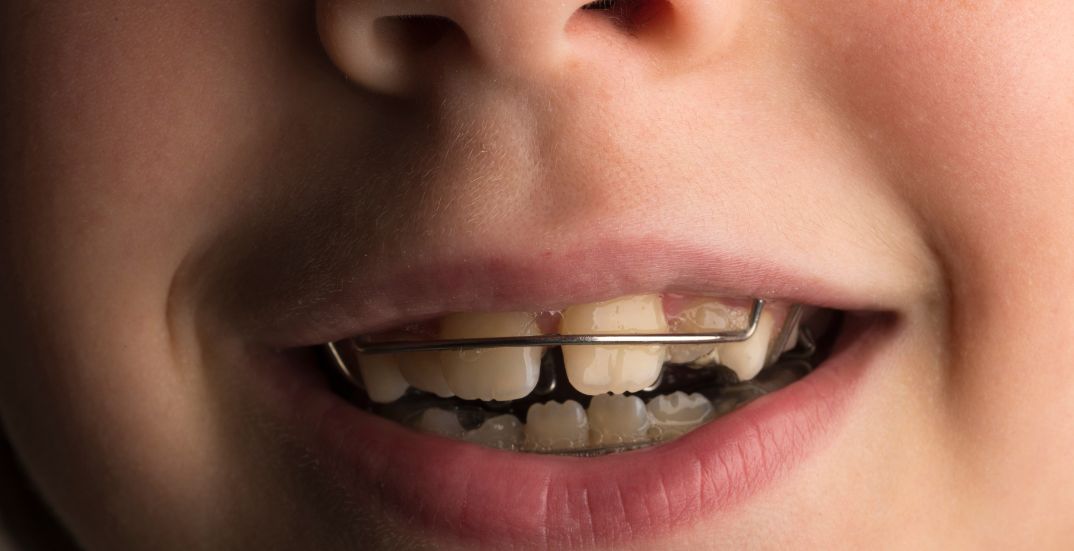
Common Orthodontic Issues in Children by Age Group
| Age Range | Common Concerns | Recommended Action |
| 4–6 | Thumb-sucking, baby teeth crowding | Monitor habits, early consultation if needed |
| 7–9 | Overbite, crossbite, jaw growth | Evaluation by orthodontist recommended |
| 10–12 | Crowding, misalignment | Plan for interceptive treatment if required |
| 13+ | Complex malocclusion | Braces or aligners usually recommended |
FAQs
At what age should my child see an orthodontist?
Most experts recommend a child’s first orthodontic visit around age 7, even if no visible issues are present.
Does early orthodontic evaluation mean my child will get braces?
Not necessarily. Early evaluations often help with monitoring and planning, not always immediate treatment.
What are the signs my child needs an orthodontic checkup?
Look for mouth breathing, thumb-sucking, misaligned teeth, difficulty chewing, or early loss of baby teeth.
Is early orthodontic care expensive?
Early treatment can actually reduce overall costs by preventing complex issues later in life.
Can crooked teeth fix themselves as kids grow?
While mild alignment issues may improve, many require monitoring or early intervention to prevent worsening.
Are orthodontic issues purely cosmetic?
No, they can affect chewing, speaking, and jaw development, making treatment medically beneficial.
Conclusion
An early orthodontic evaluation gives your child the best chance for a healthy, aligned smile. It helps detect bite problems, crowding, and jaw issues when they’re still easy to treat. By acting early, you can avoid the stress, cost, and discomfort of more complex treatments later.
If you’re unsure about the right time to seek an evaluation, speaking with a qualified dentist in Mira Road can help you understand your child’s needs and the next steps. Prioritizing your child’s dental health today can lead to lifelong benefits.
Sources and References
- Indian Orthodontic Society (IOS)
- American Association of Orthodontists (AAO)
- European Journal of Orthodontics
- Journal of Clinical Pediatric Dentistry
- WHO Oral Health Guidelines
Disclaimer: This article is for informational purposes only and should not be considered a substitute for professional dental advice. Always consult a qualified healthcare provider for diagnosis or treatment. Results may vary from person to person.