
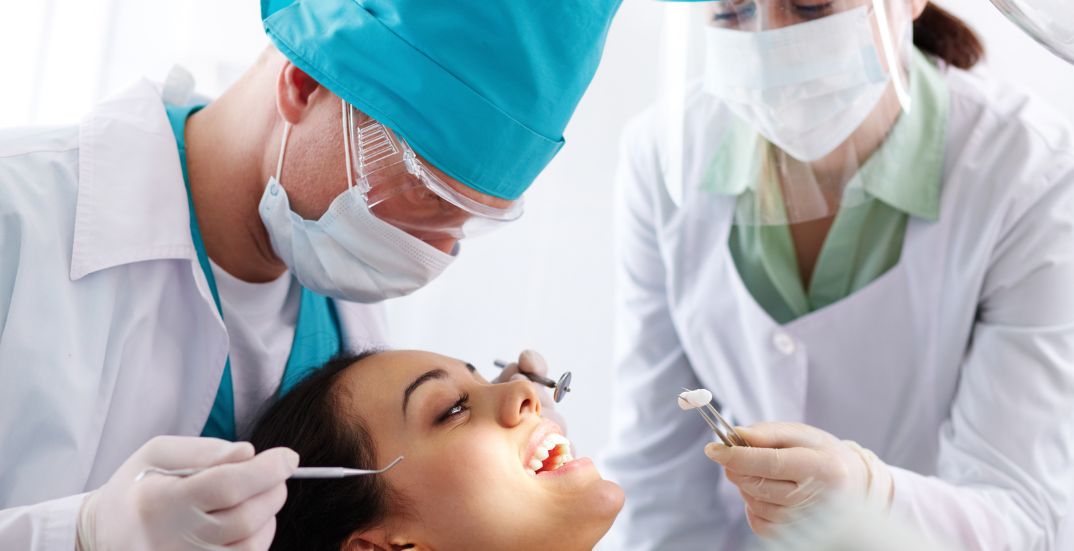

Think your dental checkup is enough to keep your teeth healthy? Think again. Most cavities, gum issues, and bad breath develop between visits, not during them. And by the time you notice a problem, it’s often too late for a quick fix.
Whether you’re waiting for your next appointment or just had one, what you do at home matters just as much as what happens in the dental chair. This guide shows you how to care for your teeth and gums at home so your next appointment isn’t about fixing problems, but keeping things on track. And suppose you notice anything unusual or need personal advice. In that case, dentists in Mira Road can help you take the right next step.
Why Oral Health Between Visits Matters
Regular dental checkups are essential, but they can only do so much. What you do between visits plays a significant role in preventing cavities, gum disease, and other oral health problems.
Without a consistent dental care routine, plaque can build up, leading to tooth decay or infection. Staying on top of your oral hygiene every day helps ensure your visits are for maintenance, not repairs.
Oral health is integral to general health and essential for well-being.”– World Health Organization (WHO)
Daily Habits That Support Oral Health
Brushing twice a day is the foundation of a good dental care routine. Use a soft-bristled toothbrush and fluoride toothpaste, brushing for two full minutes each time. Don’t rush, take time to clean all surfaces of your teeth, including your back molars.
Flossing is just as important. It removes food particles and plaque from between the teeth where your brush can’t reach. Skipping this step allows bacteria to thrive in those gaps.
Include tongue cleaning in your routine. A tongue scraper helps remove bacteria that cause
bad breath. Rinsing with an alcohol-free mouthwash once a day provides an additional layer of protection, especially if you’re prone to cavities or gum issues.
Brushing your teeth twice a day and flossing daily remain the gold standards in preventing dental decay and gum disease.– Indian Dental Association (IDA)

Foods and Drinks That Affect Oral Health
Your diet has a direct impact on your oral hygiene. Sticky sweets, acidic sodas, and frequent snacking create an environment that allows plaque to thrive.
Try to limit your intake of sugary foods and drinks. When you do indulge, rinse your mouth with water or chew sugar-free gum to help clear out sugars and restore a healthy pH balance.
Incorporate foods that strengthen teeth, such as:
- Dairy products like milk and cheese (rich in calcium)
- Leafy greens (high in vitamins and minerals)
- Crunchy fruits and vegetables, such as apples and carrots, help clean teeth naturally.
According to a study published in the Journal of Clinical Dentistry, patients who used interdental brushes had 42% less plaque accumulation compared to those who didn’t.
Tools and Products for Better Oral Care
What you use matters. Replace your toothbrush every 3 months—or sooner if the bristles are frayed. Consider an electric toothbrush, especially if you struggle to reach your back teeth or apply consistent pressure.
Helpful products to include:
- Fluoride toothpaste to strengthen enamel
- Interdental brushes or dental floss for plaque removal
- Mouthwash (look for fluoride and no alcohol)
- Tongue scraper for daily cleaning
Always check for approvals from trusted organizations, such as the Indian Dental Association or the American Dental Association, when selecting dental products.
Common Mistakes to Avoid
Even with good intentions, some habits can do more harm than good. Using a hard-bristled brush or brushing too aggressively can wear down enamel and hurt your gums.
Other mistakes include:
- Skipping nighttime brushing, when saliva production drops and bacteria thrive
- Ignoring signs like bleeding gums or chronic bad breath
- Relying solely on mouthwash as a replacement for brushing and flossing
These issues can lead to more significant problems over time if not addressed.
When to See a Dentist Sooner
Most people schedule a dental checkup every six months, but there are times when you shouldn’t wait.
Watch for these warning signs:
- Swollen or bleeding gums
- Sensitivity to hot or cold foods
- Persistent tooth pain
- White patches or sores in the mouth
- Loose teeth
These symptoms could indicate infections or other conditions that require prompt attention.
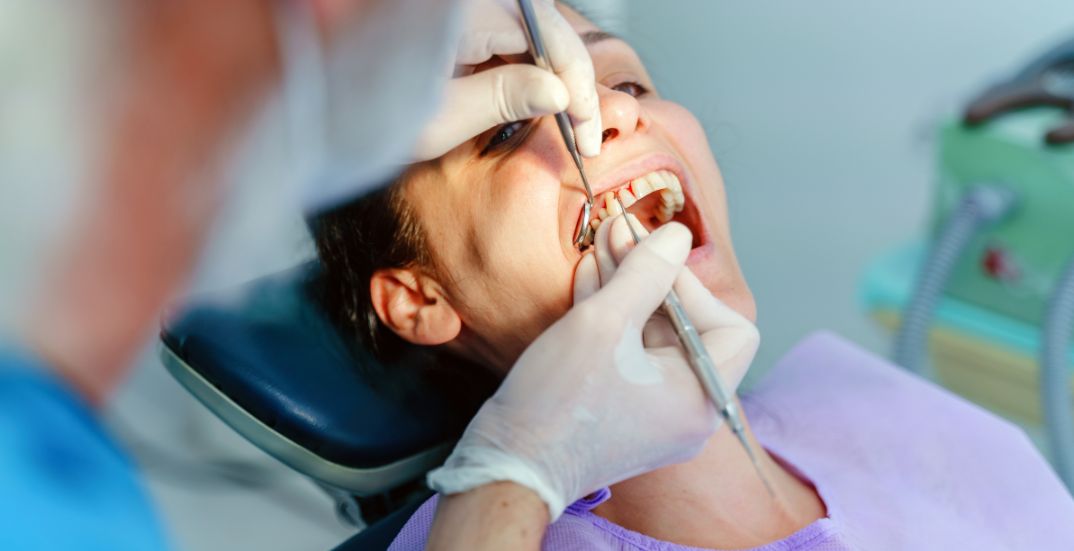
Daily Oral Hygiene Checklist
| Routine Step | Recommended Frequency | Notes |
| Brushing | Twice a day | Use fluoride toothpaste; 2 mins per time |
| Flossing | Once a day | Gently between teeth to remove debris |
| Mouthwash | Once daily (optional) | Alcohol-free recommended |
| Tongue Cleaning | Once daily | Use a proper tongue scraper |
| Toothbrush Replacement | Every 3 months | Or sooner if bristles wear out |
Frequently Asked Questions
How often should I brush and floss my teeth at home?
Brush your teeth twice daily using fluoride toothpaste and floss at least once a day. These habits help remove food particles, reduce plaque buildup, and prevent gum disease between dental visits.
Can I skip professional cleanings if I take care of my teeth daily?
No. Even with perfect home care, tartar buildup and hidden issues may go unnoticed. Regular checkups help detect early signs of cavities, gum issues, or other dental conditions.
What foods are best for maintaining healthy teeth?
Foods rich in calcium (milk, cheese), crunchy vegetables (carrots, celery), and water help strengthen enamel, stimulate saliva, and reduce acidity in the mouth.
Are electric toothbrushes better than manual ones?
Electric toothbrushes can be more effective at plaque removal for some people, especially those with limited dexterity. However, proper technique is more important than the type of brush used.
How can I tell if my gums are healthy?
Healthy gums are pink, firm, and do not bleed during brushing or flossing. Persistent bleeding, redness, or swelling may signal gum disease and should be evaluated by a dentist.
What should I do if I notice sensitivity or pain before my next checkup?
Suppose you experience tooth sensitivity, discomfort, or any unusual symptoms. In that case, it’s advisable to consult a dental professional rather than wait for your next scheduled visit.
Conclusion: Protect Your Smile Every Day
The time between dental appointments is where real oral health happens. You might only see your dentist a few times a year, but you see your toothbrush every single day. That daily commitment makes all the difference.
Whether you’re managing early signs of gum trouble or want to avoid common dental issues, following the practices in this guide can help you stay ahead. If you’re looking to reinforce these habits or need help recognizing early symptoms, a dentist in Mira Road can support your long-term care plan with professional advice tailored to your needs.
Oral health isn’t a one-time fix but a part of your lifestyle. And every step you take between checkups adds up to fewer surprises, better outcomes, and a smile you can feel confident about.
Disclaimers
This content is for informational and educational purposes only. It does not constitute medical advice, diagnosis, or treatment. Please consult a registered dental professional for personalized care. Treatment outcomes can vary from person to person.
References
- Indian Dental Association (www.ida.org.in)
- World Health Organization: Oral Health Fact Sheet
- Journal of Clinical Dentistry: Interdental Cleaning Study
- Mayo Clinic: Dental Care Recommendations
- American Dental Association (ADA) Guidelines