
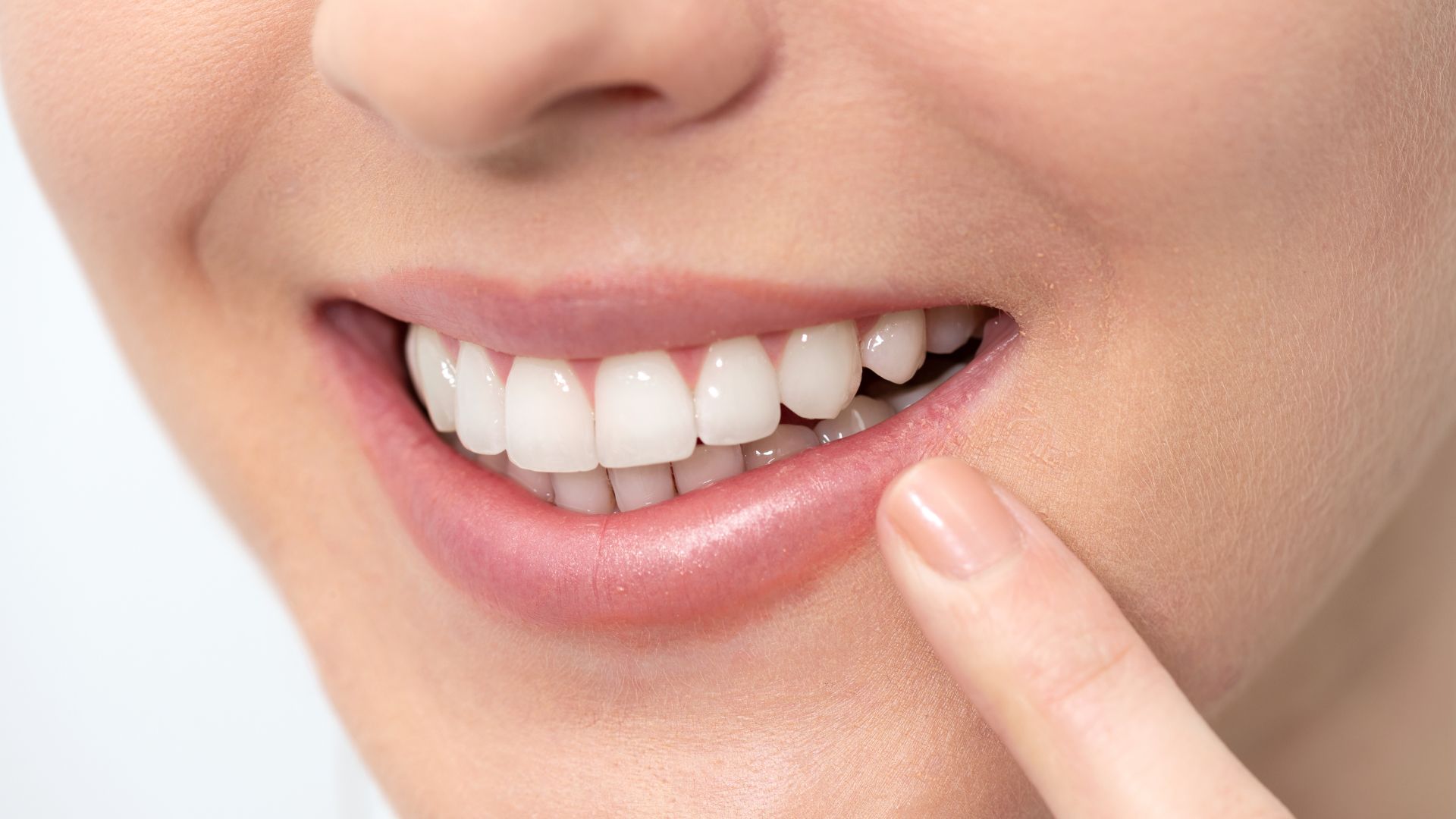

A bright smile is often seen as a sign of health and confidence. While brushing and professional dental care are essential, your diet also plays a role in identifying the whiteness of your teeth. Many people are unaware that certain foods can help clean the surface of their teeth and reduce stains, while others can cause discoloration.
If you’re looking for natural ways to whiten your smile before a dentist consultation in Mira Road, this guide will help you understand what to eat and avoid.
How Foods Affect Teeth Color
The color of your teeth depends on the strength of your enamel and the presence of stains. Stains form when dark-colored food and drinks settle into the enamel, especially if the enamel is weakened by sugar or acid.
On the other hand, some foods can act like gentle scrubbers or increase saliva production, which naturally helps clean teeth. Crunchy fruits and vegetables, dairy, and nuts are known to reduce surface stains. But remember, diet supports whitening; it does not replace professional cleaning.
Foods That Naturally Whiten Teeth
Some everyday foods, when included in your diet, can support whiter teeth by either scrubbing away stains or protecting enamel from discoloration.
Fruits
Apples, strawberries, and pineapple are some of the most effective fruits for dental health. Apples are high in fiber and water, increasing saliva flow that gently cleanses teeth.
Strawberries contain malic acid, which may help reduce surface stains when eaten in moderation. Pineapple provides bromelain, an enzyme studied for its ability to reduce plaque.
A 2012 study in the Journal of Dentistry highlighted that fibrous fruits like apples stimulate saliva production, which helps wash away food debris and surface stains.
Vegetables
Crunchy vegetables such as carrots, celery, and broccoli act like natural toothbrushes. Their rough texture removes particles stuck to teeth while also increasing saliva flow. Broccoli, being high in iron, may even create a protective layer on enamel, reducing the risk of acid damage.
Dairy
Cheese, yogurt, and milk are rich in calcium and lactic acid. Both elements strengthen enamel and make teeth less prone to staining. Hard cheese, in particular, balances mouth acidity and has a gentle scrubbing effect while you chew.
Nuts and Seeds
Almonds, sesame seeds, and walnuts are slightly abrasive, helping to polish teeth naturally. They also provide minerals that support enamel health. Chewing nuts stimulates saliva, adding another layer of natural cleaning.
Beverages That Help
Plain water is the simplest and most effective beverage for rinsing away acids and food debris. Green tea is also beneficial as it contains antioxidants known to improve gum health and reduce bacteria that contribute to discoloration.
The American Dental Association notes that water helps maintain the mouth’s natural balance and washes away substances that could cause staining or decay.
Foods and Drinks That Stain Teeth
Just as some foods brighten teeth, others are well-known for leaving stubborn stains. Coffee, tea, and red wine contain tannins, which bind to enamel and darken its appearance.
Dark sodas not only contain staining colorants but also high acidity, which erodes enamel and makes teeth more vulnerable to stains. Curries and tomato-based sauces are intensely pigmented and can cling to tooth enamel.
Similarly, dark-colored berries such as blueberries and blackberries, though healthy, may cause visible stains when consumed often.
Sugary foods and candies create an acidic environment in the mouth, which weakens enamel and accelerates discoloration. Tobacco use, whether smoking or chewing, goes beyond surface stains, leaving long-term discoloration that natural remedies cannot remove.
“Research published in the Journal of Public Health Dentistry confirms that frequent consumption of coffee, tea, and tobacco significantly increases the risk of visible tooth stains.”

Practical Tips for Maintaining White Teeth Through Diet
Making minor adjustments in your eating habits can reduce staining and maintain a brighter smile. Rinse your mouth with water immediately after consuming dark-colored drinks or foods. Eating crunchy fruits or vegetables like apples and carrots at the end of meals can help scrub teeth naturally. Try limiting your intake of stain-heavy beverages, or you can use a straw to reduce direct contact with your teeth.
Balancing your meals with enamel-friendly foods such as dairy, nuts, and leafy greens ensures your teeth stay stronger against everyday staining. Still, natural foods can only go so far; professional cleanings are vital for maintaining truly lasting results.
Professional vs. Natural Approaches
It is essential to understand the difference between natural whitening foods and professional treatments. Natural foods play a supportive role by reducing surface stains and promoting enamel health, but they cannot change your natural tooth shade dramatically.
In-office whitening or professional dental cleaning is far more effective for removing deep stains. Dentists use safe, regulated methods that are proven to deliver noticeable results, something a diet alone cannot achieve.
“The American Dental Association emphasizes that while natural remedies may complement oral hygiene, professional dental treatments remain the most reliable way to remove stubborn stains.”
FAQs
Do foods really whiten teeth naturally?
Some foods can reduce surface stains and keep enamel healthy, but they do not change the natural shade of teeth. For significant whitening, dentist-guided care is still required.
Which fruits are best for a whiter smile?
Apples, strawberries, and pineapple are most helpful. They contain natural acids, enzymes, and fiber that clean surface stains while stimulating saliva for natural cleansing.
Can dairy products make teeth whiter?
Yes. Milk, yogurt, and cheese supply calcium and lactic acid, which strengthen enamel. Strong enamel is less likely to stain, helping maintain a whiter appearance over time.
What foods should I avoid if I want white teeth?
Limit your intake of coffee, tea, red wine, sodas, curries, and dark berries. These foods contain tannins and pigments that stain teeth. Sugary foods also weaken enamel, making stains worse.
Are natural methods better than professional whitening?
Natural foods support enamel and reduce mild stains, but they are not as effective as professional whitening treatments. Dentists use safe, proven methods for noticeable results.
How can I prevent stains if I drink tea or coffee daily?
Rinse with water right after drinking, avoid sipping over long periods, and consider using a straw. Regular dental cleanings will further reduce long-term staining.
Conclusion
Your diet plays a significant role in keeping your teeth naturally bright. Crunchy fruits, vegetables, dairy, nuts, and water can help clean surface stains and support enamel strength.
On the other hand, coffee, tea, red wine, sugary foods, and tobacco can quickly darken teeth. While natural foods help maintain a healthy smile, professional treatments are still necessary for deeper results. A balanced diet combined with regular visits to a dentist in Mira Road ensures your teeth stay strong, healthy, and naturally white.