
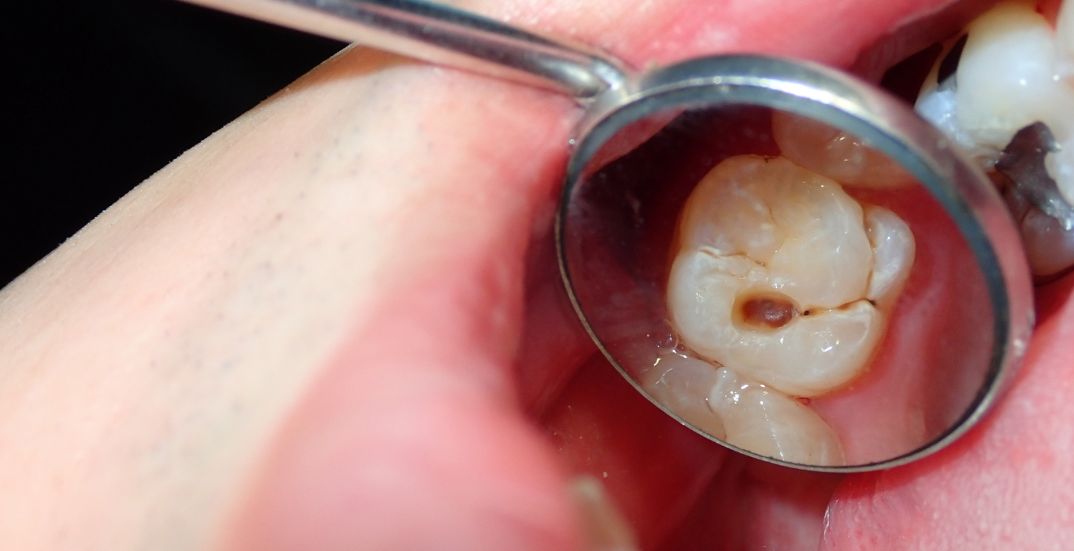

Cavities can cause serious trouble if left unchecked, but there’s an easy way to stop them before they start. Dental sealants are a preventive treatment designed to protect your teeth from decay, especially in the back molars where food particles often get trapped. For families and individuals looking to maintain long-term oral health, sealants can be a wise choice. If you’re considering preventive options, speaking with a dentist in Mira Road can help you understand whether sealants are right for you or your child.
In this guide, we’ll break down how dental sealants work, who should get them, and what benefits they offer in the fight against cavities.
What Are Dental Sealants and How Do They Work?
Dental sealants are thin, protective coatings made of plastic or resin that are applied to the chewing surfaces of your molars and premolars. These areas often have deep grooves and pits where plaque, food particles, and bacteria can settle, even if you brush regularly.
Sealants form a physical shield that blocks these substances from entering the grooves, thereby reducing the risk of tooth decay. While fluoride treatments strengthen enamel on the entire tooth surface, sealants specifically protect the vulnerable biting surfaces at the back of your mouth.
Dental sealants act as a shield over the enamel of each tooth, protecting against plaque and acids.
Who Should Consider Dental Sealants?
Dental sealants are most commonly applied to children between the ages of 6 and 14, as this is when their permanent molars erupt. However, adults with deep grooves or a history of frequent cavities can also benefit from them.
Sealants are beneficial for:
- School-age children with newly erupted molars
- Teens with a high risk of cavities
- Adults with vulnerable tooth surfaces
Whether you’re caring for your child’s smile or looking to protect your own, it’s worth discussing the option of sealants with a dentist in Mira Road.
Benefits of Dental Sealants for Cavity Prevention
The primary benefit of sealants is simple: fewer cavities. However, the advantages extend beyond simply preventing decay.
- Painless and Quick: Sealants are applied without the need for drilling or anesthesia. It’s a non-invasive, stress-free process.
- Cost-Effective: By preventing cavities early on, future dental procedures, such as crowns, root canals, and fillings, can be less expensive.
- Long-Lasting: When properly maintained, sealants can protect teeth for up to 10 years.
- Support for Oral Hygiene: Sealants don’t replace brushing and flossing but work alongside them to offer extra defense.
According to the Centers for Disease Control and Prevention (CDC), dental sealants can prevent 80% of cavities in the back teeth, where 9 out of 10 cavities occur.
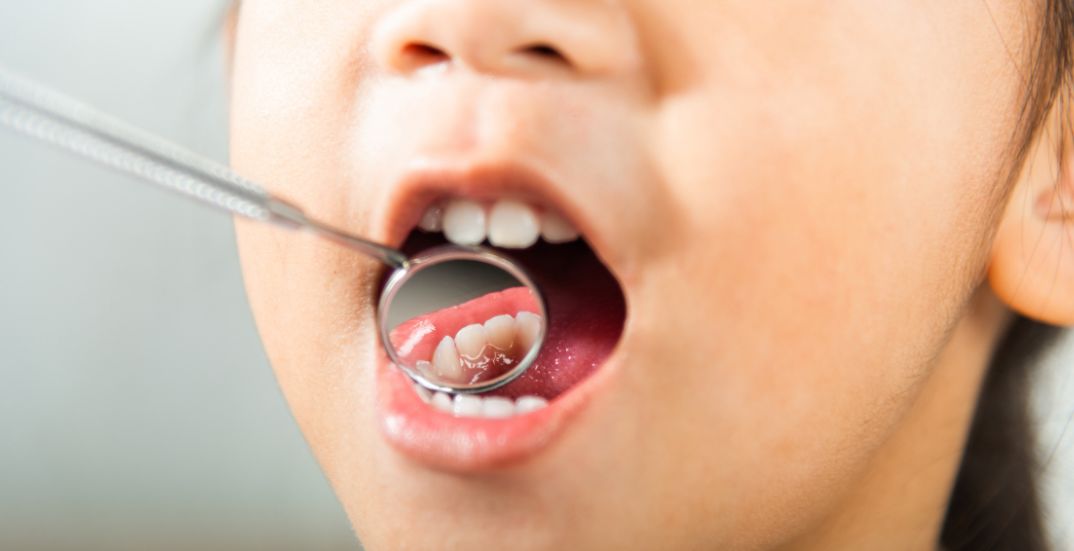
The Dental Sealant Application Process
Getting sealants is a quick and straightforward process. The procedure is usually completed in one visit and doesn’t cause discomfort.
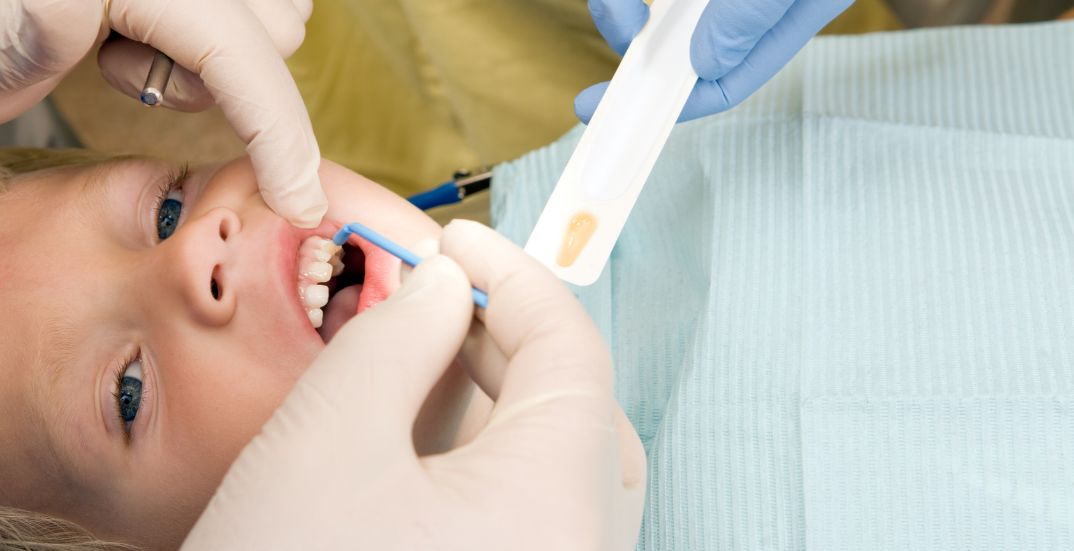
Here’s what happens:
- The dentist thoroughly cleans the tooth surface.
- The tooth is dried, and a mild acidic solution is applied to help the sealant bond to the tooth.
- The sealant material is painted onto the tooth.
- A curing light may be used to harden the sealant.
Each tooth requires between 10 and 20 minutes for the whole application. The sealant instantly starts to function after it has set, creating a barrier that keeps out food particles and microorganisms.
A study published in The Journal of the American Dental Association found that children without sealants have almost three times more first molar cavities than those with sealants.
Are There Any Risks or Limitations?
Dental sealants are safe and widely recommended by major dental organizations. However, there are a few key points to consider.
Sealants can wear down over time and may need to be reapplied. During regular dental visits, your dentist will examine your teeth for chips and signs of wear and tear.
Sealants are most effective when used in conjunction with good oral hygiene practices, including brushing, flossing, and regular dental checkups. They are not a substitute for a complete oral care routine.
Some parents may have concerns about BPA exposure, but studies confirm that the levels found in dental sealants are extremely low and pose no known health risk.
The American Dental Association (ADA) supports the use of sealants as a safe and effective preventive dental treatment, especially for children and adolescents.
Dental Sealants and Long-Term Oral Health
Maintaining long-term oral health involves more than just brushing and flossing. Dental sealants and other preventive procedures can significantly lower the risk of tooth decay, especially in children and people with teeth that are prone to cavities. By creating a barrier over the chewing surfaces of molars and premolars, sealants offer added protection in areas where toothbrushes often miss.
If you’re considering ways to strengthen your preventive care routine, dental sealants are a simple and effective option worth discussing with your dentist.
Dental Sealants vs. Fluoride Treatments – A Quick Comparison
| Feature | Dental Sealants | Fluoride Treatment |
| Purpose | Physical barrier against cavities | Strengthens enamel against decay |
| Application Area | Chewing surfaces of molars/premolars | Entire surface of teeth |
| Ideal Age Group | Children aged 6–14 | All age groups |
| Duration of Effectiveness | 5–10 years | Few months, requires regular use |
| Procedure Duration | Single visit, ~10–20 minutes | Usually applied during routine cleanings |
| Preventive Focus | Site-specific cavity prevention | Whole-mouth enamel strengthening |
Frequently Asked Questions (FAQs)
Are dental sealants safe for children?
Yes, dental sealants are considered safe and effective for children. Leading organizations, such as the ADA and CDC, recommend them to prevent cavities in molars.
How long do dental sealants last?
Dental sealants can last between 5 and 10 years; however, dentists often check and reapply them as needed during regular dental visits.
Do adults need dental sealants?
While they are more common for children, adults who are prone to cavities or have deep grooves in their molars may also benefit from dental sealants.
Is the application of dental sealants painful?
No, the procedure is painless and does not require drilling or anesthesia. It’s a quick and non-invasive preventive treatment.
Can dental sealants completely prevent cavities?
Sealants significantly reduce the risk of cavities, but they should be combined with brushing, flossing, and regular dental checkups for optimal protection.
How do sealants compare to fluoride treatments?
Sealants provide a physical barrier for specific areas, while fluoride strengthens all teeth. Both are complementary preventive treatments.
Conclusion
Dental sealants are an innovative, safe, and effective way to protect teeth from cavities, especially for children and teens. They offer a non-invasive, budget-friendly option for long-lasting dental care. Whether you’re looking to improve your child’s oral health or considering sealants for yourself, taking preventive steps can make a big difference. To determine if sealants are right for you or your child, consult a trusted dentist in Mira Road who can guide you through your options.
Disclaimer
This information is for educational purposes only and is not a substitute for professional dental advice, diagnosis, or treatment. Always consult a licensed dental professional regarding any oral health concerns. Treatment outcomes may vary from person to person.
References
- CDC – Dental Sealants
- ADA – Sealants
- JADA: Effectiveness of dental sealants in preventing occlusal caries