

Losing even a single tooth can change much more than the way you smile. It can affect how comfortably you eat, how clearly you speak, and even how confident you feel in daily life. For many people, the choice isn’t just about filling a gap; it’s about finding a solution that fits their lifestyle, budget, and long-term health goals.
Two of the most trusted options today are dental implants and dental bridges. While both can restore function and aesthetics, the right option depends on factors like durability, maintenance, and personal habits. If you’re exploring tooth replacement solutions and want guidance from a dentist in Mira Road, this article breaks down the differences so you can make an informed decision tailored to your needs.
Understanding Dental Implants
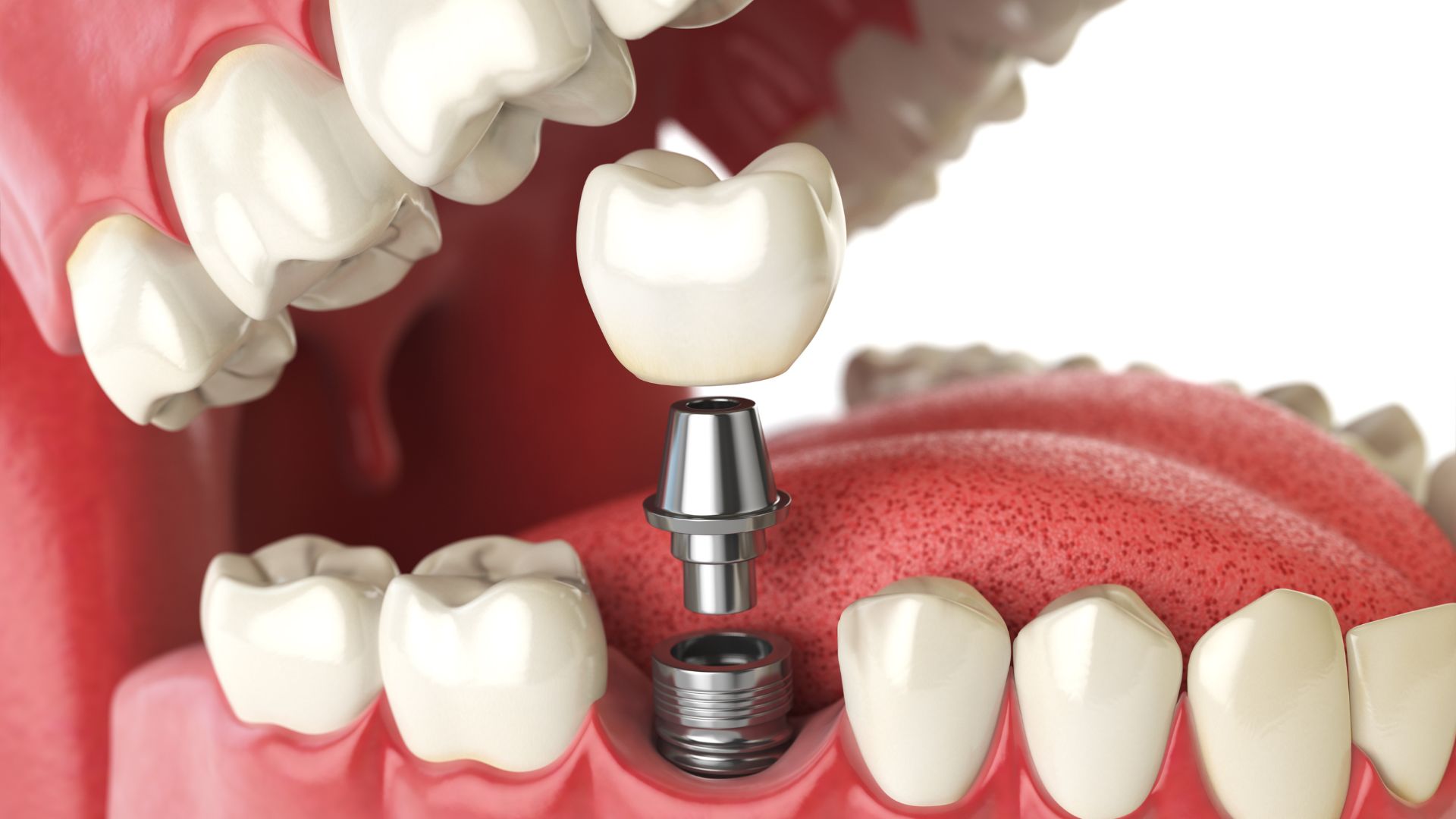
A dental implant is a titanium post placed surgically into the jawbone, acting like an artificial tooth root. After healing, a crown is attached to give the look and function of a natural tooth.
Implants are valued for their stability, as they fuse with the bone and create a permanent foundation. They can last for decades, often 15–25 years or more, when maintained with proper oral hygiene. Patients usually choose implants because they closely resemble natural teeth in look and feel.
However, implants involve a surgical procedure, a more extended healing period of 3–6 months, and a higher upfront cost. They also require sufficient bone density, which means not everyone is an immediate candidate.
Understanding Dental Bridges
A dental bridge is a prosthetic tooth held in place by crowns fitted on the healthy teeth next to the gap. It literally “bridges” the space left by the missing tooth.
Bridges are quicker to place than implants, with treatment usually completed within two or three weeks. They are also more affordable initially and do not require surgery.
The main drawback is that the healthy adjacent teeth need to be filed down, which may weaken them over time. Bridges generally last 7–15 years and may need replacement earlier than implants. They also tend to require more maintenance to prevent plaque build-up.

Key Differences Between Dental Implants and Bridges
While both options restore your smile, they differ in durability, maintenance, and long-term impact.
|
Factor |
Dental Implants |
Dental Bridges |
| Durability | 15–25+ years | 7–15 years |
| Procedure | Surgical | Non-surgical |
| Recovery Time | 3–6 months | 2–3 weeks |
| Effect on Other Teeth | Preserves | Alters adjacent teeth |
| Maintenance | Similar to natural teeth | More plaque-prone |
| Cost (India) | Higher upfront | Lower upfront |
Cost Considerations in India
In India, the cost of tooth replacement is a key deciding factor for many patients. Dental implants are more expensive upfront but last longer, often making them cost-effective in the long run. Dental bridges are cheaper initially but may need to be replaced sooner.
“According to the Indian Dental Association, treatment costs vary widely depending on material, location, and the dentist’s expertise. Always request a personalized treatment plan.”
Insurance coverage may vary, so checking with your provider is essential. A dentist in Mira Road can provide a detailed estimate tailored to your specific case.

Choosing the Right Option for Your Lifestyle
The right choice depends on your health, habits, and expectations. If you value durability and do not mind a surgical procedure with a longer recovery, implants may be the better choice. They preserve bone health and support chewing and speech naturally.
If you prefer a quicker, less invasive, and more affordable solution, a bridge may fit your needs. However, you must be aware of its shorter lifespan and effect on neighboring teeth.
Lifestyle factors such as age, diet, smoking habits, and oral hygiene routine also influence the decision.
“The Indian Dental Association emphasizes that prosthetic choices should be based on clinical assessment, not cost alone.”
Risks, Recovery, and Aftercare
Both treatments have potential risks and require proper aftercare.For implants, the recovery may take several months, with risks such as infection or insufficient bone integration. Bridges, while faster to complete, may lead to decay or gum issues if proper hygiene is not maintained.
Aftercare is crucial for both options. Regular brushing, flossing, and dental check-ups are necessary to ensure long-term success.
“Results vary for every patient. Factors such as bone health, gum condition, and overall oral hygiene strongly influence outcomes.”
FAQs
Are dental implants safer than bridges?
Both are safe when performed by qualified dentists. Implants require surgery and longer healing, while bridges are non-surgical but involve altering adjacent teeth. Safety depends on your oral health and clinical suitability.
How long do dental implants and bridges last?
Dental implants can last 15–25 years or longer with good care. Bridges usually last 7–15 years. Regular dental visits and strong oral hygiene habits significantly improve lifespan for both.
Which is more affordable in India: implants or bridges?
Bridges are generally cheaper upfront in India. However, implants can be more economical long-term since they rarely need replacement if maintained well. Costs depend on the material and the clinic location.
Do implants or bridges look more natural?
Implants tend to look and feel more like natural teeth because they are anchored in the bone. Bridges also restore aesthetics effectively, but may feel slightly different when chewing.
What lifestyle factors affect my choice?
Age, oral hygiene, bone density, and diet play a role. Implants require stronger bone support and longer recovery. Bridges may suit those wanting quicker results and less invasive treatment.
Is the procedure painful?
Both procedures are done under anesthesia. Implants involve minor surgery, leading to a longer recovery. Bridges cause less discomfort initially, but both options are manageable with prescribed care.
Conclusion
When comparing dental implants vs bridges, there is no universal “best” option. Implants last longer and function like natural teeth, while bridges are quicker and more affordable in the short term. Your choice should be based on oral health, lifestyle, and long-term goals.
If you’re exploring tooth replacement options in Mira Road, consult an experienced dentist in Mira Road who can evaluate your case and suggest the most suitable treatment.