


Tooth loss or dental damage is more common than many people realize, yet it is often overlooked until the problem becomes painful or urgent. The truth is that your mouth gives you early signals when something is wrong, and paying attention to these signs can prevent complicated treatments later. For anyone searching for a dentist in Mira Road, understanding when a dental implant may be needed can help you make informed decisions about your oral health.
This guide explains the key signs to watch for, why timing matters, and how implants protect both your smile and overall well-being.
What Is a Dental Implant?
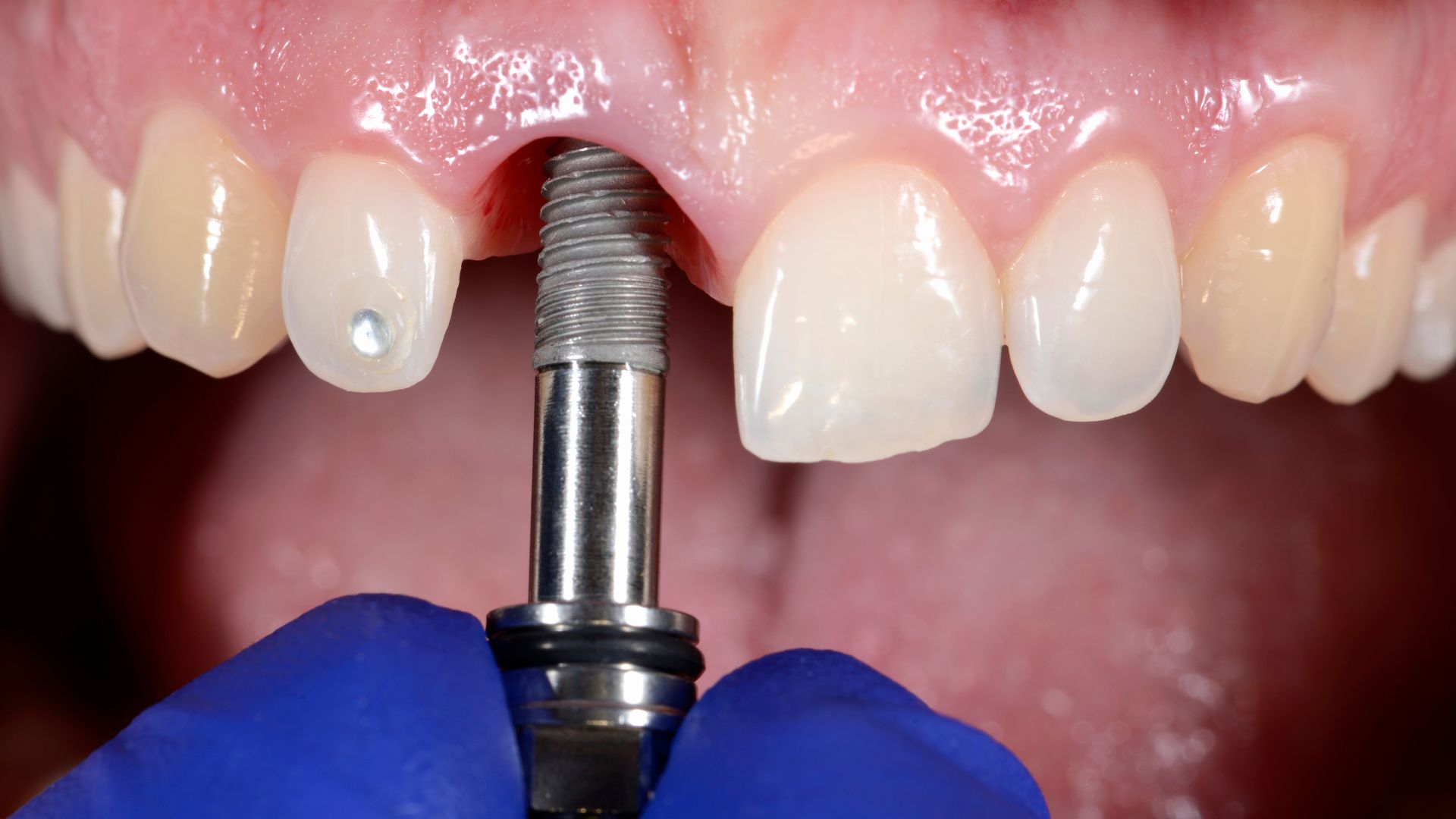
A dental implant is a modern, long-term solution for replacing missing teeth. It consists of three main parts: a titanium post that is placed into the jawbone, an abutment that connects the post to the crown, and the crown itself, which looks and functions like a natural tooth.
Implants are different from removable dentures or traditional bridges. They restore chewing ability, improve speech, and prevent bone loss in the jaw. For patients who want a permanent replacement option, implants offer both strength and natural appearance.
Key Signs You Might Need a Dental Implant
Recognizing the early signs that you may need a dental implant can save you from unexpected emergencies and protect your long-term oral health. Here are some of the most common indicators:
Missing Tooth or Multiple Teeth
If you have lost one or more teeth, even at the back of your mouth, the surrounding teeth can shift. Over time, the jawbone in that area starts shrinking because it no longer has the stimulation of a tooth root. Dental implants help replace missing teeth and preserve bone health.
Loose or Shifting Teeth
Adults should not have loose teeth. This often means underlying gum disease or bone loss. If ignored, the condition can lead to more tooth loss. An implant can stabilize your bite and prevent further oral health problems.
Difficulty Chewing or Speaking
Struggling to chew food or noticing changes in how you pronounce certain words may be a sign that a tooth is not functioning correctly. Implants restore normal function, making it easier to enjoy food and speak with confidence.
Sunken Facial Appearance
When teeth are missing for a long time, the jawbone shrinks, giving the face a sunken or aged appearance. Dental implants stimulate the bone just like natural roots, helping to maintain the natural shape of your face.
Damaged or Non-Restorable Teeth
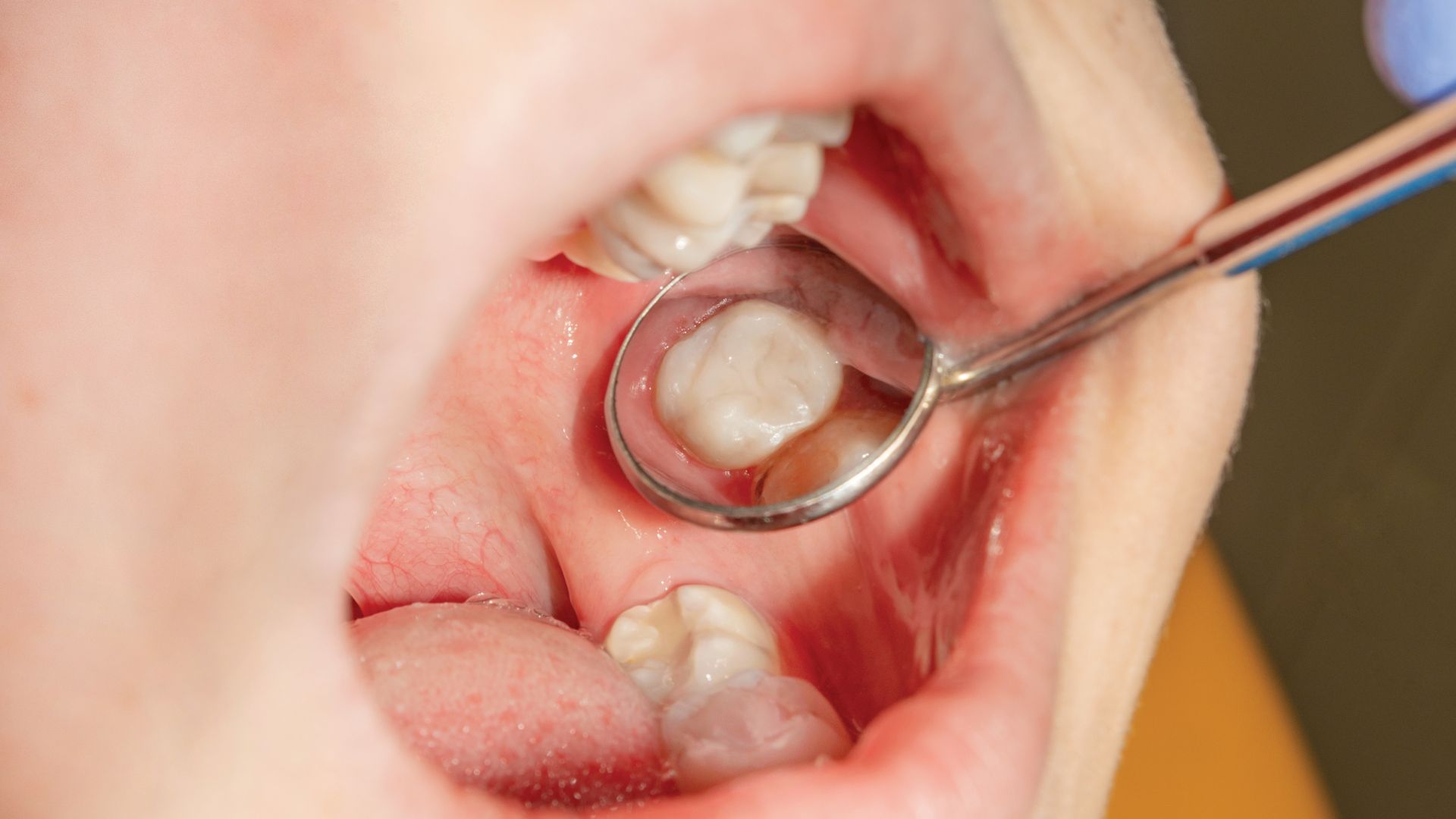
Severely fractured, infected, or decayed teeth may not be saved by fillings or crowns. In such cases, extraction followed by an implant is often the best choice to restore function and appearance.
Denture Discomfort
If you wear dentures and they keep slipping or feel uncomfortable, implants may be the right option. Implant-supported dentures stay stable and make everyday activities like eating and speaking much easier.
Jawbone Loss
If your dentist has mentioned bone loss on X-rays, it may mean implants are needed sooner rather than later. Waiting too long might require additional procedures like bone grafting.
Noticing any of these signs early gives you the chance to explore implant treatment before problems worsen. Timely care from a qualified dentist ensures better outcomes and helps you maintain a healthy, confident smile.
Why Early Action Matters
Studies show that you can lose up to 25% of your jawbone in the first year following tooth loss.
Bone resorption happens quickly after a tooth is lost. The longer you wait, the greater the chance that bone grafting will be required before an implant can be placed. Acting early also helps maintain facial shape, supports better oral function, and avoids emergencies caused by untreated dental conditions.
Loose or shifting teeth in adults often signal advanced gum disease or bone deterioration—early intervention may prevent further damage.
Addressing signs early not only improves your chances of a smooth implant procedure but also reduces long-term complications.
The Dental Implant Process in Brief
The process begins with a consultation and detailed imaging to check bone density and gum health. If necessary, preparatory steps like bone grafting or extractions are completed first. Once the site is ready, a titanium post is placed into the jawbone.
Over the next few months, the implant fuses with the bone through a natural process called osseointegration. After healing, the abutment and crown are attached, giving you a fully functional tooth that blends with your natural smile.
Common Early Signs That Can Be Compared
|
Sign |
Why It Matters |
If Ignored |
| Missing Tooth/Teeth | Causes bite changes, bone loss | Shifting teeth, extractions |
| Loose or Shifting Teeth | Signals gum or bone problems | Tooth loss, complex treatment |
| Difficulty Chewing/Speaking | Affects daily function | Nutrition, speech issues |
| Denture Discomfort | Poor fit or jawbone changes | Oral decline, social discomfort |
| Sunken Facial Appearance | Jawbone shrinking | Aged look, further bone loss |
FAQs About Dental Implants
When should I consider a dental implant?
If you have missing teeth, difficulty chewing, or shifting teeth, it may be time to see a qualified dentist for an evaluation. Early treatment prevents emergencies and supports long-term oral health.
Can I get a dental implant immediately after extraction?
In some cases, yes, but it depends on the condition of your jawbone and gums. If there is bone loss or infection, additional steps may be needed before implant placement.
Are dental implants painful?
The procedure is done under anesthesia, so you should not feel pain. Mild discomfort after surgery is normal and usually managed with medication during the healing process.
How long do dental implants last?
With proper oral hygiene and regular check-ups, implants can last for decades. The crown attached to the implant may need replacement every 10 to 15 years.
What are the risks of dental implants?
Complications are rare but can include infection, nerve damage, or loosening of the implant. Choosing a qualified dentist and following aftercare instructions minimizes these risks.
Do implants prevent bone loss?
Yes. Implants act like natural roots, stimulating the jawbone and helping to prevent resorption that usually follows tooth loss.
Conclusion
Ignoring early signs of tooth loss, discomfort, or bone changes can turn a simple treatment into an emergency. Dental implants are one of the most effective ways to replace missing teeth, protect jawbone health, and restore natural function. If you notice any of the signs described, it is best to act early.
A consultation with a dentist in Mira Road will help determine whether implants are right for you. Every case is different, and only a qualified dental professional can provide the diagnosis and treatment plan that suits your needs.
Sources & References
- Dental Council of India (DCI) – Regulations on ethical dental practice and professional standards: https://dciindia.gov.in
- Ministry of Health & Family Welfare, Government of India – National Oral Health Programme, preventive and restorative guidelines: https://main.mohfw.gov.in
- World Health Organization (WHO) – Oral health fact sheets and policy guidance on tooth loss and its health impact: https://www.who.int/health-topics/oral-health
- National Institutes of Health (NIH) – Research and clinical data on dental implants, bone loss, and oral rehabilitation: https://www.ncbi.nlm.nih.gov
- Indian Council of Medical Research (ICMR) – Oral health research initiatives and public health insights: https://www.icmr.nic.in