


Teeth grinding, also called bruxism, is a problem that many people don’t realize they have until symptoms start showing up. Waking up with a sore jaw, sensitive teeth, or even a dull headache can feel confusing especially when you can’t point to an apparent cause. For many people, the reason is teeth grinding during sleep, also known as bruxism. It’s a condition that often goes unnoticed until the signs of wear show up on the teeth themselves.
One of the simplest and most effective ways to manage this is through a night guard. In this guide, we’ll explore what night guards are, how they work, and when it makes sense to visit a dentist in Mira Road to see if one is right for you.
Understanding Bruxism
Bruxism is the medical term for grinding or clenching teeth, usually during sleep but sometimes while awake. It affects millions worldwide and often goes unnoticed until visible signs appear.
Common symptoms include jaw tightness, tooth sensitivity, and even fractured fillings or crowns. Stress, misaligned bites, and certain sleep conditions can all play a role in why someone develops bruxism.
Grinding is not just a habit it can lead to enamel wear, gum recession, and complications with the jaw joint. Many patients only learn about it when a partner mentions hearing grinding noises at night or when a dentist notices uneven tooth surfaces.
Bruxism affects approximately 22% of the global population, causing symptoms like headaches, jaw pain, and enamel wear.
What Are Night Guards?
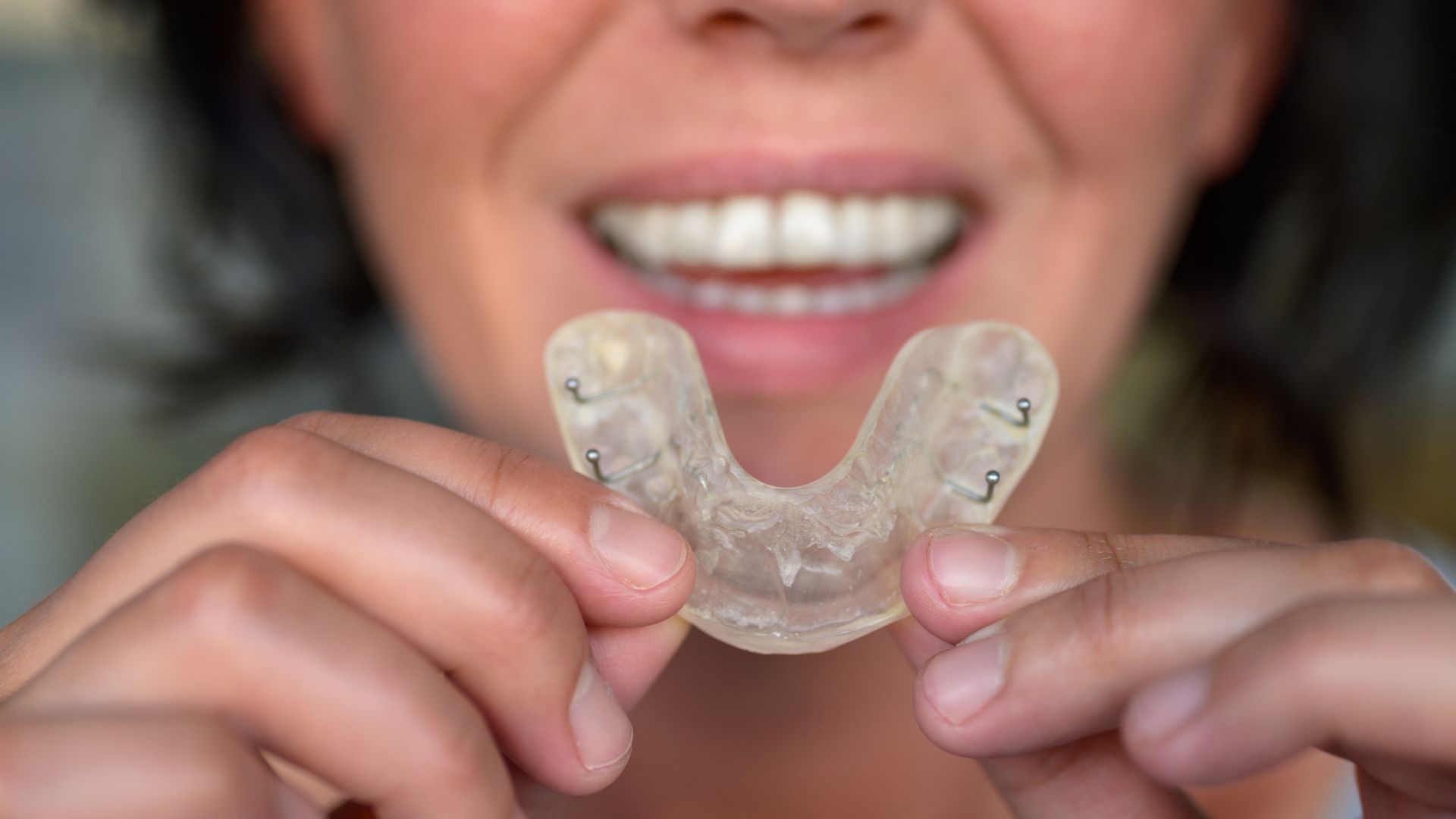
Night guards, also called occlusal guards or dental night guards, are removable appliances worn while sleeping. Their purpose is simple: to act as a barrier between the upper and lower teeth to reduce the damage caused by grinding or clenching.
By cushioning pressure, night guards protect enamel, reduce strain on jaw muscles, and help prevent cracks or chips. They do not stop the grinding itself, but they do protect against the harm it causes.
Night guards don’t stop grinding but act as a protective barrier—minimizing damage to teeth, reducing jaw strain, and easing related symptoms.
Types of Night Guards
Not all night guards are the same, and choosing the right one depends on the severity of bruxism and personal comfort.
Over-the-Counter Night Guards
These are sold in pharmacies and come in two forms: ready-made stock guards or boil-and-bite versions. Stock guards are cheap but rarely fit well. Boil-and-bite guards allow some adjustment, but they may still feel bulky and wear out quickly.
Custom-Fitted Night Guards
Custom night guards are made by a dentist using impressions of the patient’s teeth. They provide superior fit, comfort, and durability. Though costlier, they are the most effective option for moderate to severe teeth grinding.
Custom-fit night guards offer far superior comfort and durability compared to over-the-counter options, though they come at a higher cost.
Comparison of Night Guard Types
| Type | Pros | Cons | Best For |
| Soft OTC (stock-fit) | Low cost, readily available | Poor fit, less effective, comfort issues | Mild, short-term use |
| Boil-and-bite OTC | Customisable at home, affordable | Variable fit, durability concerns | Moderate bruxism, budget-sensitive |
| Dentist’s custom (hard) | Excellent fit, durable, effective | Costly, requires impression & wait time | Moderate to severe bruxism |
Adjusting to a Night Guard and Caring for It
Wearing a night guard takes some adjustment. In the first week, users may notice increased saliva, slight discomfort, or mild dryness. These usually improve as the body adapts. To make the transition smoother, wearing the guard for short periods before bedtime can help.
Cleaning and maintenance are essential. Rinse after every use, brush gently without toothpaste to avoid scratching, and disinfect weekly using dentist-recommended solutions. Avoid hot water or alcohol-based cleaners, as these can damage the material. Proper care ensures the device lasts longer and remains safe to use.
If not cleaned properly, a night guard can harbor bacteria and pose oral health risks.

When to Consult a Dentist in Mira Road
Recognizing when to seek help is key. If you regularly wake with sore jaws, notice worn teeth, or hear complaints of grinding sounds from a partner, it may be time for a professional evaluation.
A dentist in Mira Road can examine bite alignment, check for tooth wear, and determine if a night guard is suitable. In some cases, grinding is linked to conditions like sleep apnea or severe jaw misalignment.
This is why self-diagnosis and reliance on OTC guards alone may not be enough. A professional consultation ensures that the cause is identified and that the chosen night guard is the best fit for long-term protection.
Risks, Limitations, and Combined Approaches
Night guards are highly effective at reducing damage but have their limits. Some users may experience discomfort, minor bite changes, or difficulty adapting. Importantly, they protect teeth but do not eliminate the grinding habit itself.
Dentists often suggest combining night guard use with stress management, posture correction, or dental adjustments. Addressing the root causes whether stress, anxiety, or a misaligned bite leads to better long-term outcomes.
FAQs
Do I really need a night guard?
If you often wake with jaw pain, tooth sensitivity, or headaches, a night guard can protect your teeth from further wear. A dentist can confirm if bruxism is present and recommend the right option.
Can over-the-counter night guards be effective?
They provide short-term protection at a lower cost but often lack a proper fit. Custom night guards from a dentist ensure comfort and long-term durability, making them more reliable for regular bruxism cases.
How long does it take to adjust to wearing a night guard?
Most people adapt within one to two weeks. Initially, increased saliva or mild discomfort may occur, but consistent use helps the body adjust to wearing the appliance comfortably.
How do I clean and care for my night guard?
Rinse with cool water after each use, brush lightly with a soft brush, and disinfect weekly. Avoid hot water, toothpaste, and alcohol-based cleaners to prevent damage or bacterial build-up.
Can a night guard fix my grinding habit permanently?
No. A night guard protects teeth but does not stop clenching or grinding. Long-term management may involve stress reduction, posture correction, or dental adjustments recommended by a dentist.
How often should I replace my night guard?
Replacement depends on wear and tear. Over-the-counter guards may last months, while custom guards can last years with proper care. Consult a dentist if the fit changes or damage appears.
Conclusion
Bruxism is a common condition that can cause severe dental damage if ignored. Night guards do not stop the habit, but they do offer reliable protection against worn enamel, cracked teeth, and jaw strain. The key is choosing the correct type of custom-fitted guards made under the supervision of a qualified dentist in Mira Road, as they generally offer the best balance of comfort and protection.
If you’ve been waking up with jaw tension or noticing changes in your teeth, the next step is a professional consultation. With the proper guidance, you can protect your teeth today and prevent long-term damage tomorrow.
Sources & References
- Dental Council of India (DCI) – Regulations on ethical dental practice and professional standards: https://dciindia.gov.in
- Ministry of Health & Family Welfare, Government of India – National Oral Health Programme, preventive and restorative guidelines: https://main.mohfw.gov.in
- World Health Organization (WHO) – Oral health fact sheets and policy guidance on tooth loss and its health impact: https://www.who.int/health-topics/oral-health
- National Institutes of Health (NIH) – Research and clinical data on dental implants, bone loss, and oral rehabilitation: https://www.ncbi.nlm.nih.gov
- Indian Council of Medical Research (ICMR) – Oral health research initiatives and public health insights: https://www.icmr.nic.in