
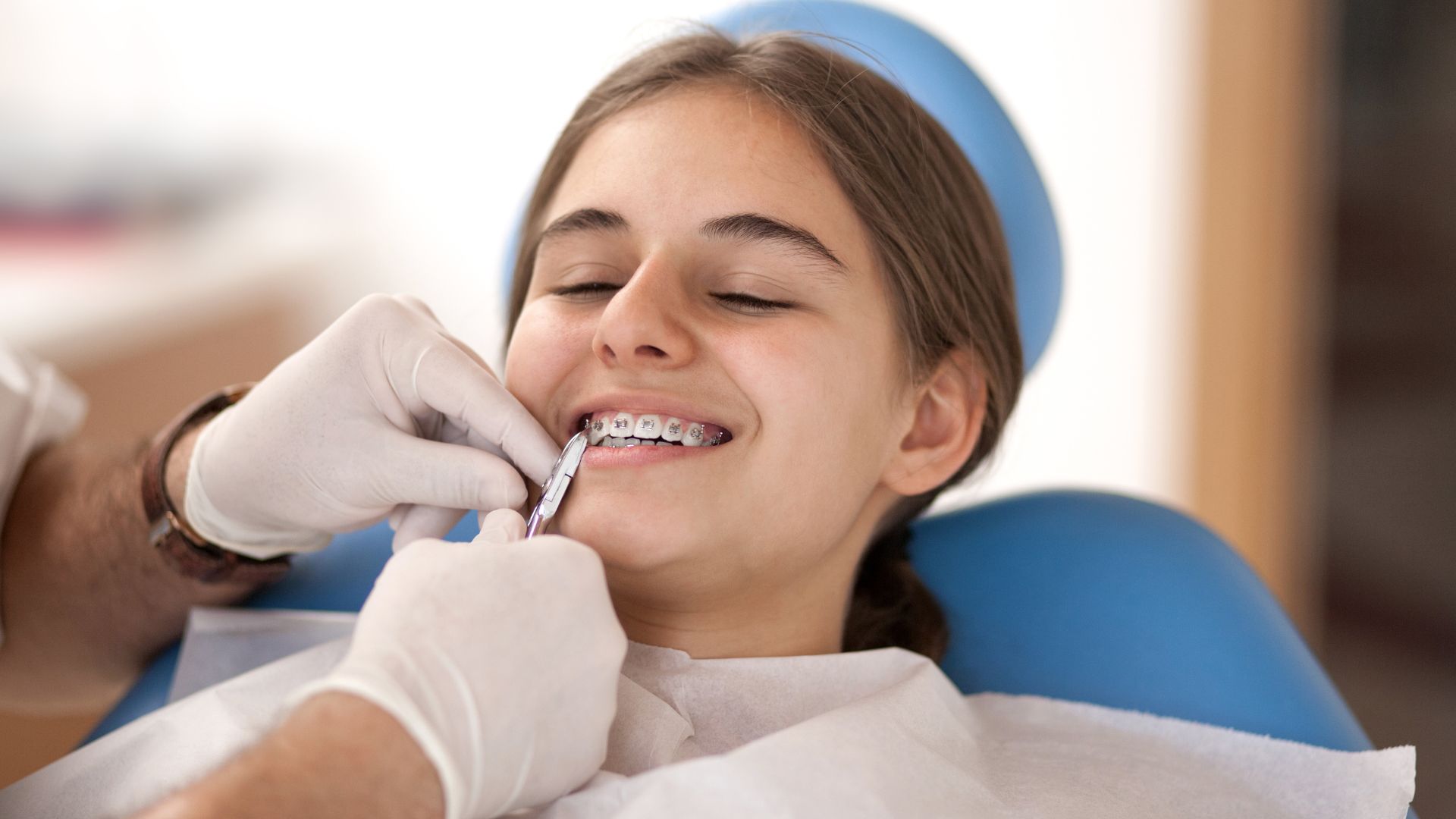

Getting braces marks the beginning of a significant change, not just in the way your smile looks but also in how you care for your teeth and gums. Brackets and wires create small spaces where food and plaque can easily hide. Without proper care, this can lead to cavities, swollen gums, or white spots that remain even after braces are removed.
Learning how to keep your mouth clean during treatment is essential for both your health and the success of your orthodontic plan. With the proper daily routine and regular visits to a qualified dentist in Mira Road, you can protect your oral health and make your journey with braces much smoother.
Understanding Why Braces Need Extra Care
Braces create many small spaces where food particles and plaque can easily hide. When not cleaned properly, this buildup can cause problems like bad breath, cavities, and gum irritation.
Plaque left around brackets and wires may even cause white spots on teeth that remain visible after braces are removed. Taking care of braces is not only about keeping your smile clean but also about making sure your treatment progresses as planned.
When plaque and trapped food are left on the teeth and around braces, the outcome can be cavities, swollen gums, bad breath, and permanent white marks on the teeth. — American Association of Orthodontists.
Brushing Techniques for Braces
Brushing with braces requires a slightly different approach. Always use a soft-bristled orthodontic toothbrush or an electric toothbrush with a small head designed for braces. Hold the brush at a 45-degree angle and clean above, below, and around each bracket in small circular motions.
Brushing should be done after every meal, or at least twice daily for two minutes. If brushing right after meals isn’t possible, rinsing your mouth with water until you can brush is a good alternative.
Electric toothbrushes are highly recommended because studies have shown they are more effective at reducing gingivitis and enamel problems compared to manual brushing.
Effective Interdental Cleaning: Flossing and Alternatives
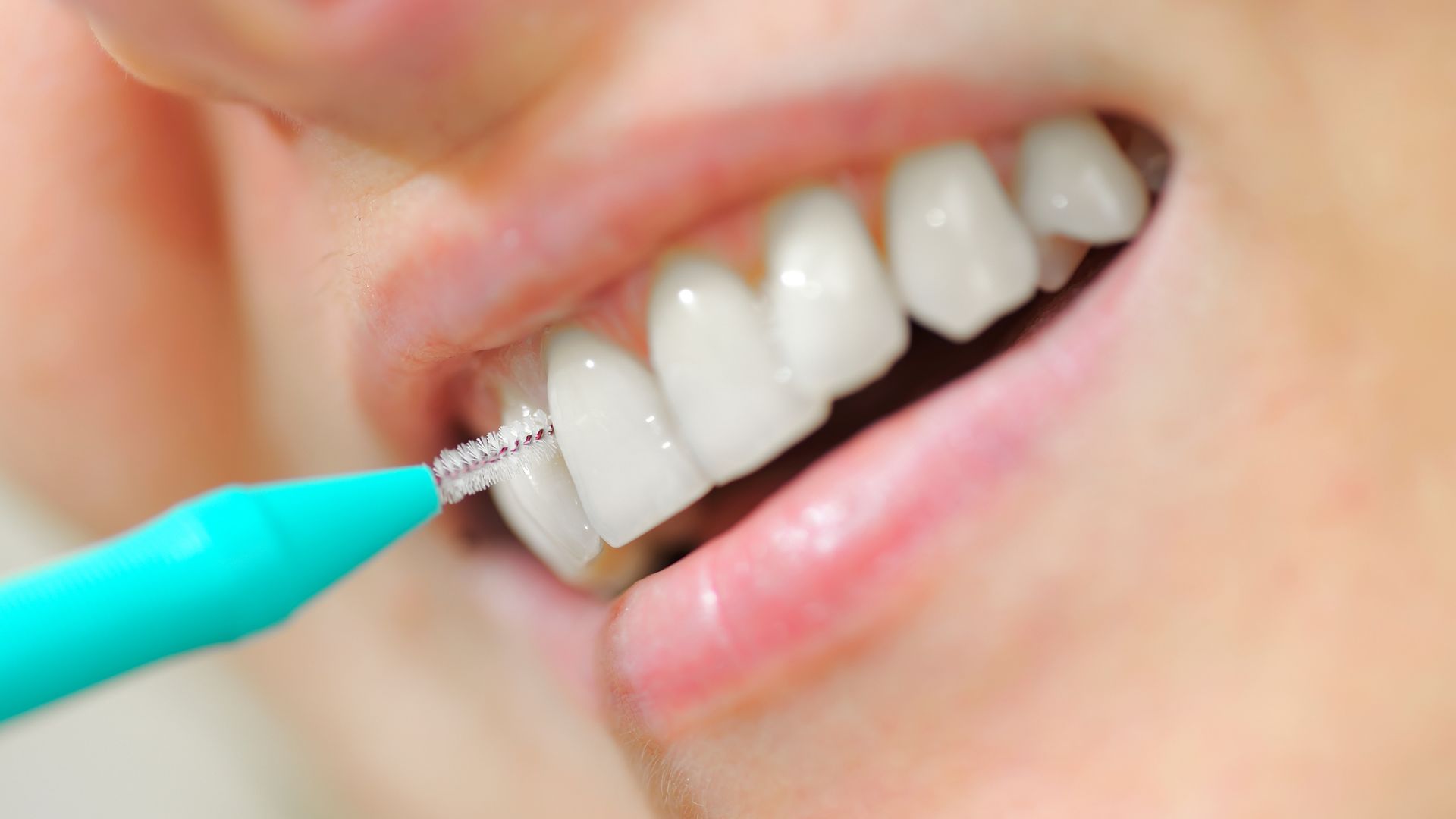
Brushing alone cannot reach all the tiny spaces between teeth and wires. Daily flossing is essential, and a floss threader can make it easier to get the Floss under the cables. For many people, interdental brushes are a better alternative since they are small, easy to handle, and very effective in removing plaque.
Water flossers are another helpful tool that directs a steady stream of water between teeth and braces to wash away debris. A combination of flossing, interdental brushing, and water flossing ensures complete cleaning.
Interdental brushes are more effective at plaque removal than string floss, and many people find them much easier to use.
Mouthwash and Rinses to Support Oral Health
Mouthwash plays a supportive role in braces care. A fluoride mouthwash helps protect against cavities and strengthens enamel. For those dealing with sore gums or irritation from wires, rinsing with warm saltwater can bring quick relief.
These rinses are not a replacement for brushing and flossing, but an added step to maintain gum health and fresh breath.
Diet and Lifestyle Tips for Bracers Wearers
Your food choices directly affect how well you can maintain braces. Hard, sticky, and chewy foods like popcorn, caramel, nuts, and chewing gum can damage brackets and wires.
Avoid biting into hard fruits or vegetables; instead, cut items like apples or carrots into smaller pieces.
Sugary snacks should be limited as they increase the risk of plaque buildup around braces.
Choosing a braces-friendly diet of soft foods, dairy, and well-cooked vegetables helps keep your teeth and gums healthy throughout treatment.
Drinking water after meals also helps wash away leftover food particles.
Regular Dental Visits and Professional Monitoring
Even with the best home care routine, professional check-ups remain essential. Your dentist will make sure your gums and teeth stay healthy, while your Orthodontist adjusts braces to keep treatment on track.
These visits are opportunities to catch early signs of gum swelling, white spots, or appliance issues. Skipping check-ups can delay treatment and cause long-term damage to oral health.
Post-Braces Care and Transition
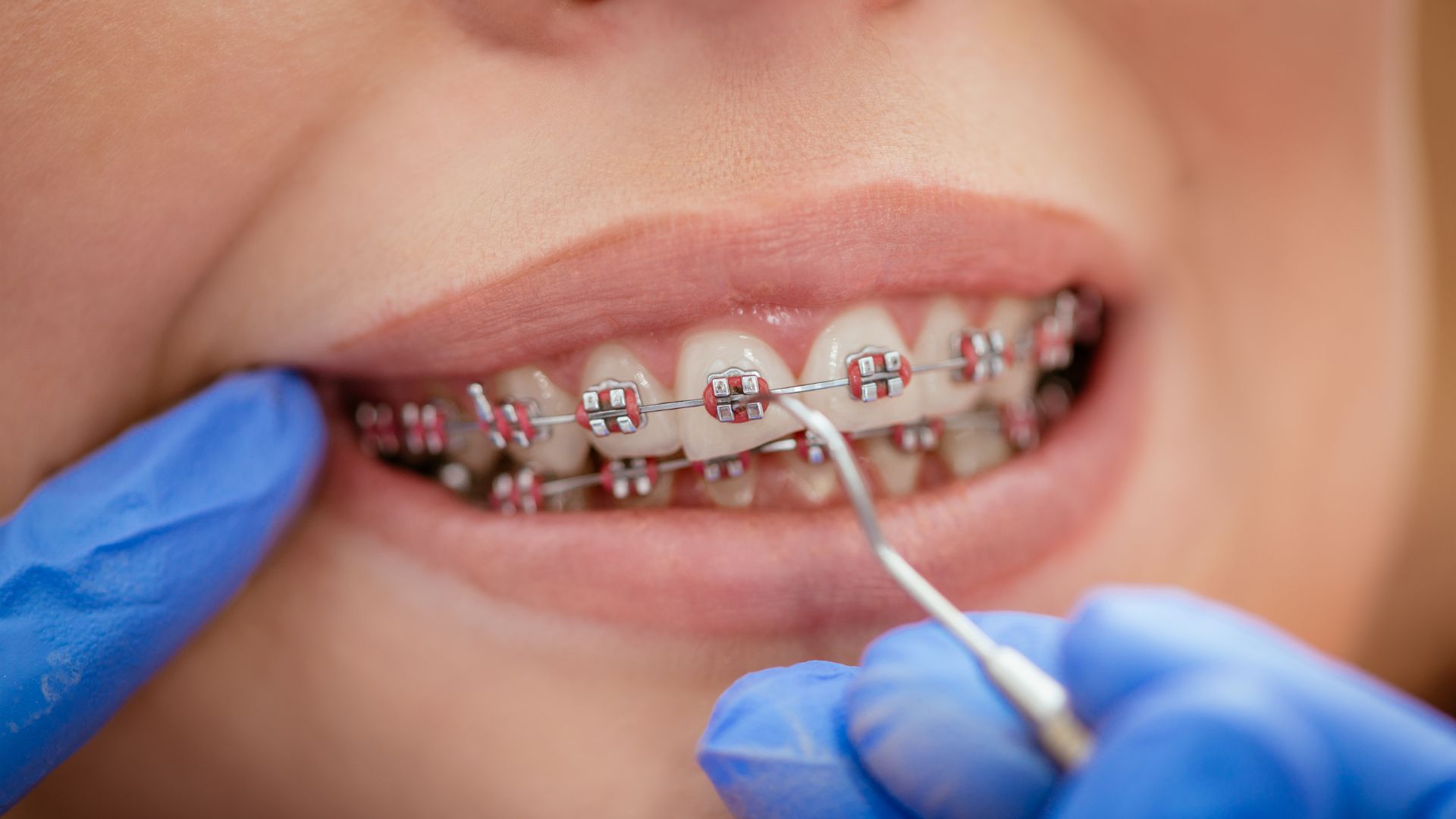
Once braces come off, the journey to a perfect smile isn’t over. Retainers are critical to prevent teeth from moving back into their old positions. Depending on your case, you may be advised to wear either a removable or fixed retainer.
Continuing your brushing and flossing routine after braces is just as essential to maintain your new alignment and gum health.
Daily Braces Care Routine
| Time of Day | Activity | Tools Recommended |
| After each meal/snack | Brushing + Optional Mouthwash | Soft-bristle/orthodontic or electric toothbrush; fluoride mouthwash |
| Once a day (evening) | Interdental cleaning | Floss with threader, interdental brush, or water flosser |
| As needed | Saline rinse for gum discomfort | Warm saltwater rinse |
| Every 4–6 weeks | Professional check-up & adjustment | Dentist + Orthodontist |
FAQs on Braces Care
How often should I brush my teeth while wearing braces?
You should brush after every meal or at least twice daily. Use a soft-bristle or electric orthodontic toothbrush for two minutes to remove trapped food and plaque.
What is better for cleaning between braces—Floss, interdental brush, or water flosser?
Interdental brushes are often the most effective and user-friendly. Water flossers help clean hard-to-reach spots, while Floss with a threader remains a reliable method for complete cleaning.
Can I use an electric toothbrush with braces?
Yes, electric toothbrushes with braces-friendly heads are safe and effective. They often remove more plaque and reduce gum problems compared to manual toothbrushes.
Which foods should I avoid while wearing braces?
Avoid sticky or hard foods like caramel, popcorn, ice, and nuts. Cut fruits and crunchy vegetables into smaller pieces to protect wires and brackets.
Why are regular dental and orthodontic visits still important during braces?
Dentists ensure teeth and gums remain healthy, while orthodontists monitor and adjust braces. Both are necessary for treatment success and early detection of potential issues.
What should I do after my braces are removed?
Wear your retainer as advised to maintain alignment. Keep following good oral hygiene practices, including brushing, flossing, and regular dental check-ups.
Conclusion
Braces care is all about consistency and attention to detail. By brushing and flossing correctly, using the right tools, avoiding harmful foods, and keeping up with regular dental visits, you can prevent common issues and protect your smile during treatment. Healthy teeth and gums not only make the orthodontic process smoother but also ensure lasting results once the braces come off.
If you want guidance tailored to your needs, consulting a trusted dentist in Mira Road will help you stay on track and maintain excellent oral health throughout your braces journey.
Sources & References
- Dental Council of India (DCI) – Regulations on ethical dental practice and professional standards: https://dciindia.gov.in
- Ministry of Health & Family Welfare, Government of India – National Oral Health Programme, preventive and restorative guidelines: https://main.mohfw.gov.in
- World Health Organization (WHO) – Oral health fact sheets and policy guidance on tooth loss and its health impact: https://www.who.int/health-topics/oral-health
- National Institutes of Health (NIH) – Research and clinical data on dental implants, bone loss, and oral rehabilitation: https://www.ncbi.nlm.nih.gov
- Indian Council of Medical Research (ICMR) – Oral health research initiatives and public health insights: https://www.icmr.nic.in