

If you’ve lost a tooth or need a long-term solution for missing teeth, dental implants are one of the most trusted ways to restore your smile. They look, feel, and function like natural teeth, making them a popular choice for both appearance and oral health.
Whether you’re just starting your research or already planning a consultation with a dentist in Mira Road, understanding the whole process can help you make informed decisions. This guide breaks down everything you need to know: how dental implants work, what the procedure involves, expected costs in Mira Road, and the aftercare required to keep your implant healthy for years to come.
What Are Dental Implants and How Do They Work?
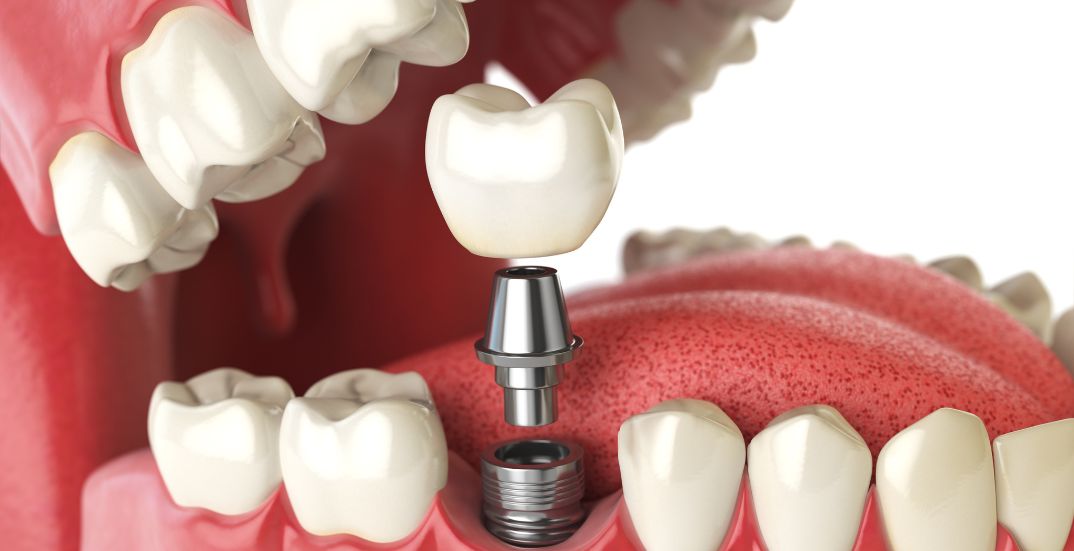
A dental implant is a small, screw-shaped post made from biocompatible materials, such as titanium. It’s surgically placed into the jawbone to act as an artificial root. Once it has healed and fused with the bone, a dental crown, bridge, or denture is attached to it.
This system mimics the natural structure of a tooth. Because the implant is anchored into the jaw, it provides the same strength and stability as a real tooth. It’s commonly used for single tooth replacements, multiple implants, or even full-mouth restorations. Compared to removable dentures or bridges, implants offer better function, long-term value, and jawbone support.
Dental implants have a reported success rate of over 95% in healthy patients with proper aftercare.– Journal of Clinical Periodontology.
The Dental Implant Procedure – Step by Step
Getting dental implants involves more than one visit. It’s a process that includes planning, surgery, and recovery.
Step 1: Consultation and Planning
Your dentist will assess your oral health, take X-rays or 3D scans, and determine if you have enough bone for the implant. If bone loss is detected, a bone graft may be needed.
Step 2: Implant Placement
During surgery, the implant is placed into the jawbone. It may take 3–6 months for the bone to fully integrate with the implant, a process known as osseointegration.
Step 3: Abutment Placement
Once healed, a small connector (abutment) is placed on the implant. This will hold the final tooth replacement in place.
Step 4: Crown or Prosthetic Attachment
Finally, your custom-made crown or bridge is fixed on top of the abutment. The result is a stable, natural-looking tooth that functions like your original.
Implants, when properly placed and maintained, can last 15–25 years or longer.– Mayo Clinic.
Types of Dental Implants
There are various types of dental implants, each tailored to meet your specific needs.
- Endosteal Implants are the most common and are placed directly into the jawbone.
- Subperiosteal Implants sit under the gum but above the jawbone and are used in cases where bone height is insufficient.
Other categories include:
- Single Tooth Implants: Ideal for replacing a single missing tooth.
- Multiple Implants: When several teeth are missing.
- Full Mouth Implants: Like All-on-4 or All-on-6 systems that replace a complete arch.
- Immediate Implants: Placed right after tooth extraction, if conditions allow.
Each option has specific benefits and costs, depending on your oral condition and goals.

Cost of Dental Implants in Mira Road
Implant costs vary based on several factors, including:
- Number of implants needed
- The condition of your bone and the need for grafting.
- Quality of crown material and lab work
- Surgical expertise and technology used
Generally, a single dental implant in Mira Road costs between ₹25,000 and ₹55,000. Full-mouth restorations can be significantly more expensive, depending on the system and materials used. While implants may seem more expensive than bridges or dentures, they are a long-term investment in your health and comfort.
Comparison of Tooth Replacement Options
| Replacement Option | Longevity | Looks Natural | Bone Preservation | Maintenance | Cost (Indicative) |
| Dental Implants | 15–25+ years | Yes | Yes | Low | High |
| Dental Bridge | 5–10 years | Moderate | No | Medium | Moderate |
| Removable Dentures | 5–8 years | Low | No | High | Low |
According to the Indian Dental Association, dental implants are one of the most reliable solutions for permanent tooth replacement, especially in cases where adjacent teeth are healthy.
Aftercare Tips and Recovery
Post-surgery care is essential for a smooth recovery and long-lasting results.
In the first 24–48 hours, avoid hard or hot foods. Stick to soft, cool meals and rest well. Swelling and discomfort are normal, but they usually subside within a few days.
Once healing begins, maintain your implants just as you would natural teeth: brush twice a day, floss, and visit your dentist regularly. Smoking, poor oral hygiene, or missed follow-ups can increase the risk of complications.
Disclaimer: This information is for educational purposes only and does not replace professional medical advice. Treatment suitability varies per individual.

Benefits and Risks of Dental Implants
Dental implants offer several long-term benefits:
- They look and function like natural teeth
- They prevent jawbone loss.
- They don’t rely on adjacent teeth for support.
- They improve speech, chewing, and confidence.
Still, like any procedure, implants carry minor risks:
- Infection at the implant site
- Nerve damage (rare)
- Sinus issues (in upper jaw implants)
- Implant failure due to poor aftercare or bone quality
With proper planning and maintenance, the success rate of dental implants is among the highest in the field of dentistry.
Results may vary from person to person. Always consult a qualified dental professional before starting treatment.
Frequently Asked Questions
How painful is a dental implant procedure?
Most patients report mild discomfort during the recovery period. Local anesthesia is used during the procedure, and pain is generally manageable with over-the-counter medication.
How long does it take to recover from dental implant surgery?
Healing can take 3 to 6 months, depending on the patient’s bone health, the number of implants, and adherence to postoperative care instructions.
Can anyone get dental implants?
Not everyone is a suitable candidate. Sufficient bone density, good oral hygiene, and overall health are necessary. A dental consultation can determine eligibility.
What foods should I avoid after getting a dental implant?
Patients are usually advised to avoid hard, sticky, or very hot foods immediately after surgery. A soft food diet is recommended for a few days.
How much do dental implants cost in Mira Road?
Costs vary widely depending on the complexity and materials used. On average, a single implant in India may range between ₹25,000 and ₹55,000, but this is only an estimate.
Do dental implants require special care?
Routine brushing, flossing, and regular dental checkups are typically enough. Unlike dentures, implants don’t need removal or special cleaning.
Conclusion: Final Thoughts
Dental implants are a dependable way to replace missing teeth with long-term results. They can restore not only your smile but also your confidence and daily comfort. Understanding how the procedure works, what to expect during recovery, and how to care for implants helps you make informed decisions about your oral health.
If you’re exploring your options, speaking with a dentist in Mira Road can help determine whether implants are the right solution for you. Always prioritize guidance from licensed professionals and stay informed about your treatment choices.
Sources and References
- Indian Dental Association – https://ida.org.in
- Mayo Clinic – https://www.mayoclinic.org
- Journal of Clinical Periodontology
- Dental Research Journal India
- National Institute of Dental and Craniofacial Research (NIDCR)