

Root canal treatment is often misunderstood, and that misunderstanding can lead people to avoid or delay much-needed dental care. You’ve likely heard someone say it’s excruciating or that extraction is a better option. But how much of that is actually true?
In this article, we debunk the most common myths about root canal treatment and explain what actually happens during the procedure. If you’re researching your options or considering visiting a dentist in Mira Road, this guide provides clear, factual insights to help you make informed decisions.
What is Root Canal Treatment?
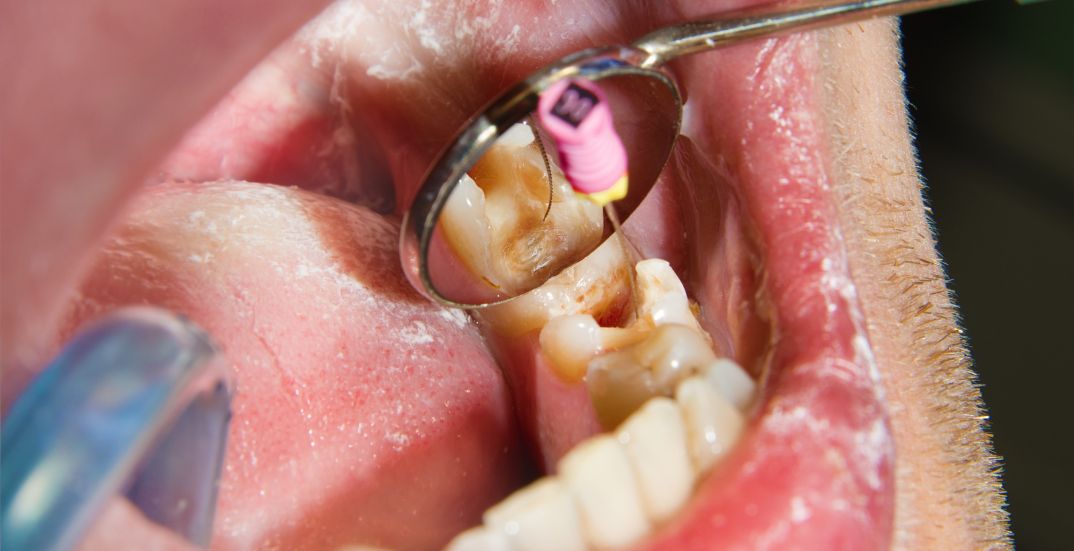
A root canal is a dental procedure that treats infection at the center of a tooth (the pulp). It’s commonly used to save a tooth that might otherwise need to be removed.
The procedure involves removing the infected pulp, cleaning and disinfecting the canal, and sealing it with a filling or crown. This helps stop the spread of infection and preserves the natural tooth structure.
Root canal treatment is a part of endodontic care, which focuses on treating issues inside the tooth. It allows patients to keep their natural teeth rather than face extraction and more complex procedures.
Common Myths About Root Canal Treatment Debunked
Let’s take a closer look at the most common myths that surround root canal procedures—and what the truth really is.
Myth 1 – Root Canal is Extremely Painful
Many believe that root canal treatment is one of the most painful dental procedures. In reality, with modern techniques and local anesthesia, most patients feel minimal discomfort.
The American Association of Endodontists confirms that root canal treatment is no more painful than a routine filling, thanks to modern anesthetics.
Mild tenderness may occur after the procedure, but it typically subsides within a few days.
Myth 2 – Tooth Extraction is Better Than a Root Canal
It’s better to extract the infected tooth rather than undergo a root canal. However, saving the natural tooth has long-term benefits.
According to the Indian Dental Association, root canal treatments have a high success rate and are a safe way to preserve your natural teeth.
Extracted teeth may require replacement options, such as bridges or implants, which can be more costly and complex.
Myth 3 – Root Canals Cause Illness
There’s a persistent myth based on outdated 1920s studies suggesting that root canals can lead to systemic diseases. Modern research has repeatedly disproven this theory.
Studies published in peer-reviewed journals have debunked the outdated belief that root canals can cause systemic diseases.
There is no credible scientific evidence linking root canals to illness when performed under proper sterile conditions.
Myth 4 – The Results Don’t Last Long
A common misconception is that root canal-treated teeth fail quickly. In fact, they can last just as long as natural teeth with proper oral care and timely restorations, such as crowns.
Myth 5 – The Treatment Requires Multiple Painful Visits
Most root canals are completed in one or two visits. Technology has made the process quicker and more efficient than in the past.
Myth 6 – You Don’t Need a Root Canal if There’s No Pain
Pain isn’t the only sign of infection. Dental X-rays often reveal damage even when you feel fine. Ignoring it can lead to serious issues like abscesses or tooth loss.
What Really Happens During a Root Canal Procedure?
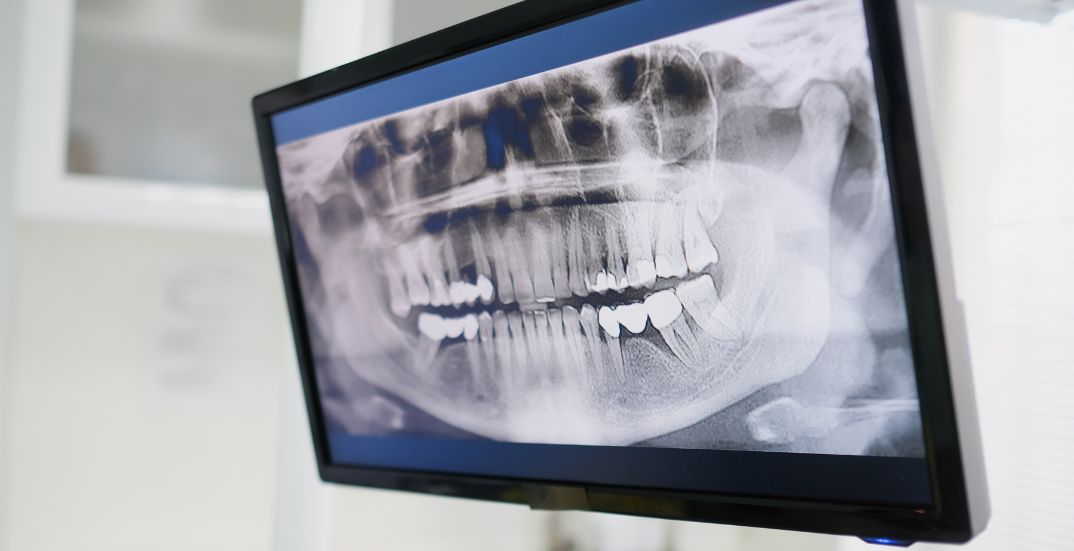
The process begins with an X-ray to assess the extent of infection. The area is numbed using a local anesthetic. A small hole is made to access the pulp, which is then carefully removed. The canals are cleaned, shaped, and disinfected before being sealed. In many cases, a crown is placed later to protect the tooth.
Persistent dental myths often delay critical treatments and worsen oral health outcomes.
Modern tools and techniques have made root canal procedures far more precise and less invasive than they were in the past.
Risks, Recovery, and Success Rates
Most patients recover quickly from a root canal. It’s normal to experience some soreness for a day or two, which can be managed with over-the-counter pain relief medication. The procedure has a success rate of over 90%, particularly when combined with proper oral hygiene and regular checkups.
While complications are rare, they can include reinfection or the need for retreatment. However, these can often be resolved without losing the tooth.
Who Needs a Root Canal?
If you have a deep cavity, a cracked tooth, or trauma to the mouth, a root canal may be recommended. Common symptoms include persistent pain, sensitivity to hot or cold temperatures, swollen gums, or discoloration of the tooth.
It’s essential to consult a qualified dental professional who can diagnose the issue using clinical examination and imaging tools, such as X-rays.
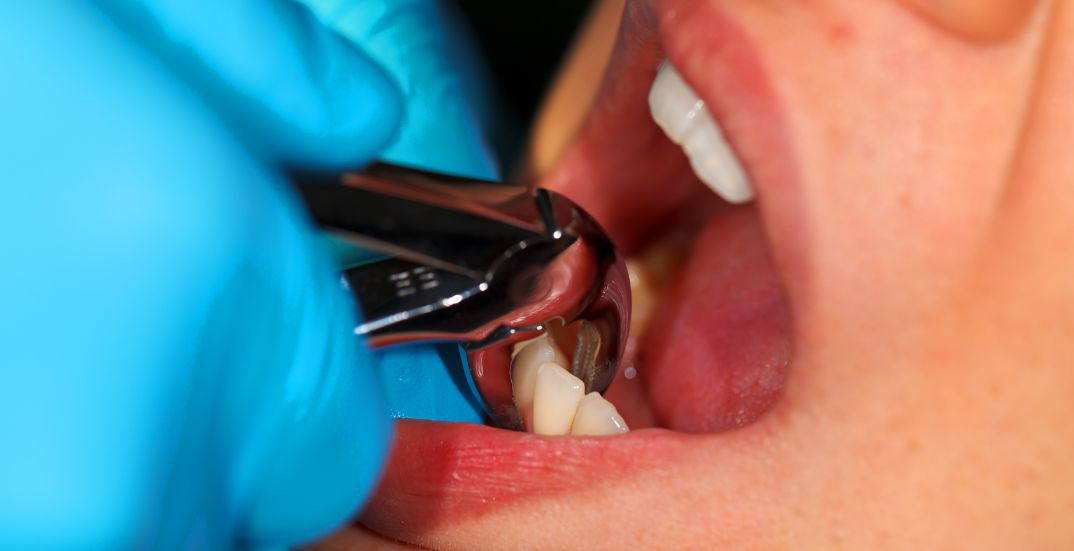
Root Canal vs Extraction: A Quick Comparison
| Aspect | Root Canal | Tooth Extraction |
| Purpose | Saves natural tooth | Removes infected tooth |
| Cost (India) | Moderate to high | Lower upfront, but implant costs extra |
| Pain | Minimal during procedure | Similar discomfort levels |
| Long-Term Impact | Preserves bite and jaw alignment | May require further dental work |
| Time | 1-2 visits | 1 visit, but implant may require more |
FAQs
Is root canal treatment painful?
Most patients say it feels similar to getting a filling. The area is numbed completely, and discomfort is minimal during the procedure.
How long does a root canal take to heal?
Healing usually takes a few days. Any soreness or swelling is temporary and can be managed with basic care and medication.
Are root canal-treated teeth prone to failure?
With proper aftercare and regular checkups, they can last as long as your natural teeth. Success rates are very high.
Is extraction cheaper than a root canal?
Extraction may cost less upfront, but replacing a tooth later with an implant or bridge can make it more expensive overall.
What happens if you delay a needed root canal?
Delaying treatment can worsen the infection, lead to abscesses, and result in tooth loss or complications that require more complex care.
Can you eat normally after a root canal?
Soft foods are best immediately after treatment. Once the tooth is fully restored, you can resume your regular diet.
Conclusion
Many of the fears surrounding root canal treatment are rooted in myths that no longer apply to modern dentistry. Today, the procedure is safe, effective, and often the best way to save a natural tooth from extraction.
By understanding the facts and separating them from fiction, you’re in a better position to protect your oral health. If you’re exploring your treatment options or seeking reliable, non-promotional advice, consulting an experienced dentist in Mira Road is a smart place to start.
Sources & References
- Indian Dental Association: https://www.ida.org.in/
- American Association of Endodontists: https://www.aae.org/
- WHO Oral Health Program: https://www.who.int/health-topics/oral-health
- PubMed: Peer-reviewed studies on endodontic treatment success rates.